

Posts about Apartments in Baltimore


Activities For The Park
Even if your budget's tight, you can find ample adventures at a park. Whether your local park is a small neighborhood green space or an expansive national park, take advantage of your nearest recreational area and plan an outing for the whole family, no matter how young or old. If you don't have kids, these activities are still fun if you're a kid at heart! Use these suggestions to get your crew off the couch and out into the sun for some healthy, free (or cheap) warm weather fun. Classic Playground Activities If you're packing little ones, hit your neighborhood or community parks for fun and exercise that goes beyond the swing-set. Your kids will have a blast scrambling up rope nets and navigating obstacles in fortresslike play ports. See-saws, giant slides, monkey bars, pint-sized zip-lines and mini rock-climbing walls are just some of the wonders you'll find at park playgrounds. And, of course, there will be swings! So pack some sunscreen, snacks and juice boxes and head to the park for some full-body fun. Your kids will be building strength, agility and confidence, and laughing all the way. Have a Picnic Can you ever be too young or too old for a picnic? Grab a basket and blanket for a lazy, languid feast on a grassy park lawn. Or load some hearty fare into a backpack and hike to the perfect spot near a waterfall or to a peak with an endless view. If you're heading to a park with a lake or pond, take along some extra bread to feed the ducks Play Ball Many community parks have tennis courts and fields for soccer and baseball. They offer leagues for organized sports, but you don't have to be on a team to enjoy playing around with a ball. An open field is a great place to practice kicking around the soccer ball or have a game of catch. Show up with a ball and you just might find enough willing players for a pick-up game. Learn About Nature Are you interested in some close encounters of the natural kind? State and national parks teem with wildlife, both the stationary and the ambulatory kinds. You can expose your children to the wonder of nature and learn about native plant and animal species that inhabit various environments. Take along your camera to capture the weird and wonderful things you find. Later, you can make a scrapbook detailing your discoveries. Take A Hike Local, state and national parks offer many different opportunities for hiking. Some are short, easy treks to breathtaking scenery; others are major climbs that test your endurance. Preparing for a big hike can be a fun and healthy family activity, too. Some parks even have trails for those with physical limitations or special needs. Check the Web site of the park you have in mind to learn about don't-miss scenery, special features, the length and challenge rating of trails, and whether or not pets are welcome. Special Events Parks cater to families and often host fairs, carnivals and special events to get your attention. The activities depend a lot on the type of park. Look for carnivals with games, races and inflatable play objects at community parks. Turn to state and national parks for events that introduce you and your kids to outdoor and high-adventure sports like orienteering, archery, fishing and canoeing. Holidays are big events for parks, too. They offer activities like Easter egg hunts, winter wonderlands, parades and firework displays. Set up a Challaenge Parks offer big, wide-open spaces perfect for staging a race, obstacle course or other family challenge. Break up into teams for a relay race. Designate age groups for foot or bicycle races. Bring a few simple props and set up your own family field day. Here are some examples: Hula-hoops or jump ropes for an endurance challenge Eggs and spoons for a balance-testing relay challenge Soccer ball for a dribbling challenge Plastic cups and water for a balancing-on-the-head race challenge Rope for tug-of-war and three-legged race For high-adventure challenges, look for parks that offer canopy tours, rock climbing or zip-lines Scavenger Hunt A scavenger hunt is a great way to explore numerous areas of a park in a relatively short time. Make a list of things you would find at your particular park, and divide your group into teams. Give each team a list and a bag to collect items. Include supplies like a camera if challengers need to prove they climbed to the top if a hill, or paper and a pencil to take a rubbing if they have to find a particular statue. Finally, determine a place to meet after gathering all the items on the list. The first team back with everything on the list wins. Prizes can be a free pass on cleaning rooms or the winner's pick for dessert. Conversely, the losing team might have to do something for the winners, like cook dinner. Frisbee or Frisbee Golf Need we state the obvious awesomeness here?
Read more
Why You Should Own a Daybed
The daybed. It's that piece of furniture that graced your childhood room (or was that just me?) that you resented because it didn't look like a "real" bed, but now, as an adult, you realize is far more chic and useful and full of potential than you ever gave it credit for. The daybed is a really smart solution to tiny space living. It's a sofa and a bed, all in one, and can be styled with pretty pillows and throws while you're not sleeping on it so your space comes off more like a living room than a bedroom. They are as deep as a twin bed, so when being used as a sofa, they are extra deep and down right delicious to cuddle up on. Now, the daybed comes in many varieties. Some take the form of an extra deep bench, which lends a very European sense to your home. Others, and my personal favorite, are more traditional with a back and arms, and can be used everywhere from the bedroom, to the living room, to the porch/balcony/patio to dens and offices. Heck, it's even worth trying on in the dining room! Check out these 15 gorgeous rooms where the daybed is the star. (Image credit: Domino ) Designer and blogger Lauren McGrath (who works with her mother Suzanne for their firm McGrath II ) employed a faux-bamboo daybed in her 250-square-foot New York studio apartment, featured in Domino . (Image credit: KK Living ) Corners in rooms can be tricky, especially for furniture. A bench-style daybed is the perfect solution, like the one above from KK Living . (Image credit: Elle Decor ) Sometimes while you work really, really hard, a power nap is in order, right? Having a daybed in your home office (like this one from Elle Decor ) is just as convenient as it is lovely. (Image credit: Vogue ) Of course heralded shoe designer Bruno Frisoni of Roger Vivier would have a home in Tangier as fabulous as the one featured in Vogue , complete with facing daybeds, the perfect set up for afternoon tea and lengthy conversations (or catnaps). (Image credit: House Beautiful ) Featured in House Beautiful , designer Stephen Shubel smartly created a dual-purpose furnishing for the above project, where cubbies come together as the base for a daybed. This would be a great space-saving solution for a small living room: bookcase and sofa in one! (Image credit: Coastal Living ) Daybeds should have a much greater fate than just living indoors all the time. This lovely porch from Coastal Living shows one hanging from rope for the ultimate porch swing. (Image credit: Free People ) This plant-happy corner, spotted on retailer Free People's website (though the product is no longer available), channels our inner Justina Blakeney jungalow. (Image credit: Urban Outfitters ) Here's inspiration from another retailer, this time, it's Urban Outfitters . We think a daybed like this one would work really well to separate spaces in an open (or small) floor plan. (Image credit: Hickman Interiors ) Chicago-based designer Tracy Hickman created a cozy and inviting porch setup with an ultra-deep daybed. We can see ourselves lounging around all summer and fall on this baby. If you want to try the look, remember to pick a material for the frame that will wear well outdoors (the one above is teak), and that the cushions are made of outdoor fabric, which will resist fading and mold/mildew. (Image credit: Madog Bolig ) It's hard not to have a room crush on this Copenhagen space, seen on Mad & Bolig . The pop of cerulean blue from the daybed energizes the neutral finishes. (Image credit: Homedit via Mi Casa ) A daybed is the perfect solution for a spare bedroom, where you want to create space for overnight guests, but also leave room for a desk. Opting for a daybed rather than a bed saves space since you can push it up against the wall length-wise, leaving more walking room. (via Homedit ) (Image credit: Citizen Atelier ) Talk about swoon-worthy! Just imagine leaning back, reading a book, maybe dosing off for a few minutes, and then digging your toes into a shaggy, puffy rug. This room (featured in an inspiration gallery on Citizen Atelier ), is a (literal) dream. (Image credit: Land of Nod ) A deep daybed in a common room is a great spot to curl up and kick back with your little ones (or anyone, really). (via Land of Nod ) (Image credit: Emily Henderson ) Emily Henderson absolutely falls into the "I have a design crush on her" category. Her daughter's nursery features a vintage daybed so she can get in plenty of baby snuggles. 520 Park Avenue http://www.apartmenttherapy.com/the-daybed-is-the-glorious-piece-of-furniture-youre-probably-not-using-but-should-be-234052
Read more

Keep Your Pets Cool This Summer
The weather in the summer months is ideal for outdoor activities, exploration and fun. But with the recent spike in temperature, you always want to keep your pet's health in mind. Be sure to take precautions with your pets in the heat so you can both enjoy all that summer has to offer. Start with these five tips to help keep your pets cool: Never leave your pet in a hot car. Ever. Even for a minute with the AC running and the windows cracked. On an 85-degree day, the temps inside a car with its windows cracked can break 100 degrees in minutes. Some states are even pursuing laws that would make leaving your pet in a hot car a criminal offense. Save exercise for very early or very late in the day. Your pets can still get their daily walks in the summer months if you make smart choices about when the exercise occurs. Outdoor temperatures are significantly lower early in the morning and late at night when the sun is not so intense. Plan to exercise your pets in those cooler hours. Seek out shady outdoor spaces. If you do spend time outdoors in the heat of the day, seek out parks and outdoor spaces that provide plenty of shade. Allow your pet to take frequent breaks in the cooler shade. Provide plenty of water. Whether you are in your apartment or out for a walk, provide your pet with fresh, cool water to drink. Pack a small bag with a bowl and a few bottles of water to take along if you leave home. Recognize the signs of heatstroke. Any pet can succumb to heatstroke, but overweight, very old or very young pets are especially at risk. The Humane Society warns you to watch for these signs of heatstroke: heavy panting glazed eyes rapid heartbeat difficulty breathing excessive thirst lethargy fever dizziness lack of coordination profuse salivation vomiting deep red or purple tongue seizure unconsciousness Your pets count on you for protection, so keep them healthy and cool all through the summer! https://www.forrent.com/blog/apt_life/keep-pets-cool-summer/
Read more

3 Sign of a Good Property Manager
Many of you are starting the hunt for your first apartment. You've thought about location, your budget, your must haves and your deal breakers. However, one item that people often overlook when they are apartment hunting is making sure that they also pick the right Property Manager. A bad Property Manager can totally ruin your first apartment experience. But here are three signs of your next home is managed by a good Property Manager: Responsive and keeps open communication with residents. When your dishwasher breaks, or you're having pest problems, a good Property Manager will be responsive in a timely manner. They usually handle repairs and keep you in the loop. Remember that some problems may be your responsibility if they are so specified in the lease. For example, some rental agreements will list home appliances that will be the resident's responsibility to repair or pay for repairs. So before you overload your washing machine with three weeks worth of clothes, check up your rental agreement first and know what you're responsible for, and what your community is responsible for. Respects your privacy. A good Property Manager will understand that while you are renting out their apartment, you are creating a home for yourself and deserve privacy and respect for boundaries. Except for emergency repairs (burst water line and like), a respectful Property Manager will give you notice if they need to stop by the apartment and will schedule the visit so that you can be home. They will not make changes to your apartment without asking you, or give negative feedback about your decorating style or how you are using the space, as long as you are not in violation of your lease. It's important to establish this boundary with them early on and a good Property Manager will respect that. Explains your rental agreement clearly and answers your questions honestly. Are you in charge of your own utilities? Which ones? Do you have a grace period for late rent? Where are you allowed to park a car if you have one? A good Property Manager will write out the rental agreement very clearly so that everyone is on the same page for what the rules are, and what the expectations are. If you ask a question about the lease, look to see if the manager answers a question easily and honestly. If their answer is vague, maybe they are hiding something? Do they avoid questions? Nothing is worse than finding out that something is written and finalized in the lease when you didn't mean to agree to it. Make sure you understand everything and know what you're getting yourself into. When you're moving into your first apartment, you are probably also starting a new job or new school and you have enough to worry about without having to deal with a bad Property Manager! Do your homework and if you feel uneasy about renting from a particular place, move on. It's ok to wait until your find a place where you feel more comfortable with the landlord. You may even need a reference from them later on in life, so pick someone you can get along with and trust! Luckily you've found 520 Park Avenue , and you can rest assured that the building, manager and staff are up to par!
Read more

Pets The Lease
Is your pet part of the family? Can't imagine your apartment without a furry companion? You're not alone. Almost everyone here at 520 Park Avenue is an animal owner, or at the very least an animal lover. According to the Humane Society, it's estimated that 65% of households in the United States have a pet. Which is why we welcome pets of all shapes and sizes--but be weary of breeds, we do have restrictions. So what kind of pet can you have in your new apartment? Before signing a lease with us (or anyone!) ask these questions: 1) Are there additional deposits or monthly fees for pets? It's a fairly common fact that pets can cause damage to a rental apartment. Because of this, leases are more frequently asking for an additional pet deposit. Additionally, some communities also charge a monthly pet rent per animal in your apartment. Clarifying this before you sign the lease is essential, as it can impact your monthly expenses. Also, ask how the pet deposit is handled and if any or all of it will be refunded should there be minimal damage. 2) Are there any breed or size restrictions? Though it may seem unfair, particularly to dog lovers, many pet-friendly apartment communities have a list of "banned breeds". Typically these are breeds that are deemed "aggressive" or "dangerous". There may also be size restrictions for both dogs and cats based on weight. Your best practice is to always ask what could specifically imp your ct your pet your plan for one in the future. 3) Do you restrict any additional types of pets? Some apartments have policies on exotic animals, such as snakes, birds, lizards or even some rodents. Additionally, some residential properties have restrictions on larger fish tanks for fear of floor warp or water damage. Again, being specific about your current and future pet situation is crucial to ensuring you won't end up breaching your lease. 4) Are there any additional pet policies that I should be aware of? In order to ensure the comfort and safety of everyone on the rental property, community managers often have a list of rules for pet owners to follow. Breaking these can occasionally result in fines, or in extreme cases, termination of your lease. Some typical rules might concern: Barking dogs Outdoor animal dropping fines Leash and dog park facility policies Outdoor cats Collar, ID, vaccination and spay/neutering requirements Additional cleaning requirements upon move-out It's never a bad idea to ask if you're unsure. Ultimately, your new apartment rental isn't only just a home for you, it's a new home for your pet. http://www.apartmentguide.com/blog/rental-questions-pets/
Read more
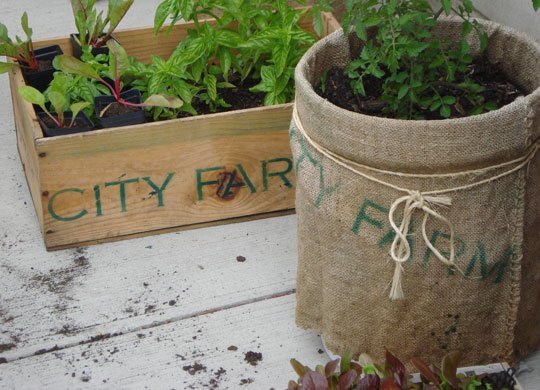
How to Start a Container Garden
Container gardening is a great way for city dwellers to have their own home-grown food source in a small space. All you need is a deck, a roof garden, or a tiny patch of well-lit space to start your own small garden. To learn the basics, read about a session with Merill Smith, from Chicago's City Farm. Get ready for growing season! What You Need Materials The planters Merrill uses are made from recycled 2x4s with a plastic screen lining the bottom. She lines the screen with newspaper or burlap, so the soil doesn't fall through. A wine crate is another great option. For herbs and lettuce, a planter with a larger surface area and shallow roots in about 2-4 inches of soil will create a higher yield. Tomatoes require a deeper planter. (Merrill uses a plastic bucket lined with burlap and filled with compost.) The materials for Merrill's planters came from the ReBuilding Exchange , an organization that works with contractors to recycle materials from demolitions and renovations. The compost Merrill uses comes from City Farm , a sustainable vegetable farm between the Gold Coast and Cabrini Green. They sell compost to the public for $5 per bucket. The seeds and sprouts shown above also came from City Farm . Merrill sells her Green Box (the large version shown above) through City Farm for $75, $50 of which goes to the farm. Tools: Planter that provides aeration for roots 2-4 inches of good soil (high-quality compost is best) Seeds or sprouts Sunlight (most herbs and vegetables require a couple hours of full sun per day) Water Hand-held garden cultivator (claw) Instructions Choose what you're going to grow. Good options for container gardening include herbs such as basil, sage, and mint; red and green lettuce; and tomatoes. Purchase or build your container. For herbs and lettuce, it should be a shallow container with a large surface area and a screened bottom that allows the roots to aerate. For tomatoes, use a deeper container, such as a bucket. (See "resources" above for details.) Find a sunny spot for your herbs and vegetables. Herbs and lettuce need at least a couple hours of good sun per day; tomatoes need full sun. Fill the container with 2-4 inches of compost soil. If you're planting sprouts, make sure to give them a few inches of space around the roots. If you're planting seeds, scatter the seeds evenly across the planter. Keep a couple of containers of each plant going at once, so that when you've clipped one plant, you have another one ready for your next meal. Water your plants regularly. Herbs should have somewhat damp soil, don't let your shallow planters dry out. Tomatoes, on the other hand, are easy to over-water. Feel the soil before you water them. If it's moist, wait until it's dry before watering. Water around the base of the plant, rather than through the leaves. Use a hand-held garden cultivator (a claw) to aerate the surface soil without disturbing the roots too much. Herbs and lettuce take about 2-3 weeks to grow from a sprout into enough to cook with. If you keep a couple of containers going, you can cultivate/reseed/replant every 2 weeks to keep a constant supply going. To harvest your plants, use scissors to snip the leaves or vegetables. Snip the leaves around the base of the plant first, so that it will continue to grow and fill out. At the end of the growing season, you can store your compost soil. Next year, turn your soil over and reseed it for a new crop. Tips for Herbs, Lettuce, and Tomatoes: Lettuce: Lettuce is a good cool-weather crop; its growing season lasts until the end of October. Lettuce goes through a sweet phase before it turns bitter. Before you clip it, try a little to make sure it tastes good. Tomatoes: Tomatoes need full sun and a deep pot. They don't like lots of rain or over-watering. For a strong tomato, you want to see full leaves before the tomatoes sprout. (See above sections for more details.) Basil: Basil is a fairly easy herb to grow. Space the sprouts/seeds evenly when you plant it to give it enough room (see photo #1 for an example). As it grows, clip any "flowers" before the plant goes to seed. Cilantro: Like basil, cilantro "flowers" should be clipped before the plant goes to seed. It requires plenty of drainage for the roots. Mint: Mint grows like a weed, and should be planted in its own, separate container so that it doesn't overtake other plants. Arugula: Arugula does better in cool areas than most herbs or vegetables. It works well on a shadier porch, but it still needs some full sun every day. Additional Notes: For more information about City Farm (at Clybourne and Division), click here . For more about the Green Grocer (at Grand and Noble), click here . For more about ReBuilding Exchange (3335 West 47th), click here . 520 Park Avenue http://www.apartmenttherapy.com/how-to-start-a-container-garde-90430
Read more