

Posts about Apartments in Downtown Baltimore

Moving Tips
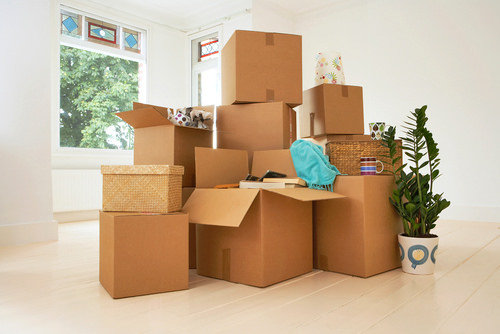
So many find moving to be stressful, but in our community we couldn’t be more excited to welcome new residents! Whether you’re a first-time renter or veteran, utilize the tips below to help make your move less stressful: 1. Use Your Friends If you have friends or family that live close by, enlist their help. This will save on the cost of movers since most relatives and friends accept food or drinks as compensation. In addition, these are the folks you can trust with your irreplaceable items. 2. Hire Movers If you don’t have friends or family close by, hiring movers might be the way to go. Although this will require monetary compensation, most movers come insured. Be sure to read the fine print on a moving contract to understand their hours, pay and, most importantly, if they offer everything that you will need. 3. Get Organized From grouping items together in boxes to having a labeling system, being organized during a move can cut stress down more than you think. At least group everything that you’ll need within the first day or two of moving into the same box so it is all easily accessible and you won’t have to dig for individual items in multiple boxes. 4. Pack Smart Packing up, unpacking and everything in between can be the main source of stress for many people. If you’re packing breakables, make sure that they are packed with packing paper or bubble wrap to ensure nothing gets broken. You could also consider packing your fragile items with clothing so it takes care of two things at once. Another helpful tip is to pack small amounts over the course of a week or two, instead of trying to pack up your entire life the night before a move. Although moving can be a daunting task, taking your time and making sure you’re organized in every way possible can make it better. Moving should be an exciting time, not one to worry about. What are some other tips you have that have helped make your move easier? Share your ideas so others can take advantage!
Read more

Apartment Touring Checklist
Apartment hunting can be a fun and exciting experience, especially if it's your first one. But there's so much to look for and so many questions to ask when touring different communities that it can be difficult to keep track of it all. Lucky for you, we've put together a checklist of what to do before and during your tour at each place. Bring a notepad with you, or enter all of the information into your phone or tablet--you'll be glad you did. And you're already off to a good start if you're reading this; it means you've looked into one of the best apartment communities in Baltimore! Bring a camera and flashlight or use them on your smart phone. Take photos to remind yourself about the place and for documentation. These will be great to keep on hand before signing a least too. If possible, visit the building and spend time in the neighborhood both day and night. It might be much noisier at night than during the workday, and you’ll want to be sure you feel safe and comfortable with the area. Ask if the building is submetered, meaning the individual tenants receive bills from each utility (electricity, natural gas, water). Read reviews of the community online. Look for reviewers who provide pros and cons, not just a rant. Walk through the actual unit you’ll be renting, not just a model, especially if the building is not brand new. Last, but certainly not least, ask to see the lease. Then don’t just look at it, read it — even the fine print. If there’s something you don’t like or understand, talk about it with the property manager.
Read more

Get a Smart Apartment
If the first thing you think of when you hear the term "smart home" is a programmable thermostat, but it's time to update your concept of what makes today's homes so, well, smart. Today's smart home technology has evolved to be accessible, adaptable and portable, making it perfect for renters. Here, we'll take a look at how you can outfit your apartment with smart essentials to make renting significantly more convenient and safe. Digital Assistants If you're not already using a digital assistant (also known as a virtual voice assistant or smart speaker), these devices may be one of the easiest ways for you to introduce smart technology into your home. Digital assistants, such as the Amazon Echo and Google Home, respond to voice commands and are designed to make your life a little simpler. You can ask your digital assistant to perform a number of tasks, such as play music, read you the news, order groceries, place a phone call or add appointments to your calendar. When synced with other smart devices in your home, digital assistants allow you to adjust lighting, turn appliances on and off and even activate security cameras. Smart Plugs Smart plugs are an inexpensive, easy way to integrate smart home tech into your rental. These devices allow you to remotely control anything that plugs into a wall socket - all with a tap of your finger on your smartphone or tablet. At home, you can even use your smart speaker to activate smart plugs with a voice command. When paired with lighting, smart plugs make your apartment more secure. Plug in your lights, then program the plugs to activate them at random times while you're away. This gives the appearance that you're home and helps deter would-be thieves from breaking into your apartment. Smart outlets can also optimize energy savings by turning off appliances - such as your washing machine or television - when not in use. With smart plugs, you never have to worry about leaving a light on all day or forgetting to turn off the oven, since you can manage all your devices and settings from your mobile device. Smart Window AC Unit You can't necessarily install a smart thermostat, but you can but you can have more control over cooling costs with a smart window air conditioner unit. The smart AC units are controlled by Wi-Fi. You can activate them remotely and program them to fit your schedule - meaning you can walk into a perfectly cool apartment after work without running up your utility bill. Smart Mattress Ready to go to smart apartment extremes? Consider a smart mattress. These futuristic beds provide sleep tracking, so you can keep track of how many hours you slept. They can also detect optimal wake time based upon your sleep patterns and set an alarm for you. And a smart alarm is only the beginning - smart mattresses can also regulate their temperature throughout the night, adjusting constantly to keep your body as comfortable as possible. If you connect your mattress to a smart home hub or digital assistant, it can kick off your morning the right way. For example, you can set your coffee maker to begin brewing as your smart alarm goes off, and program the lights to turn on as you step out of bed. 520 Park
Read more
Best Tech for Spring Cleaning
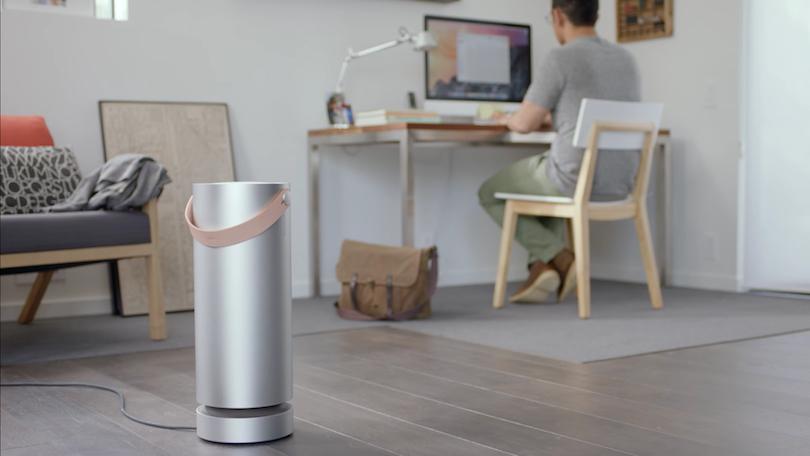
This is 2018, there's pretty much nothing you can't do without the assistance of technology. The same holds true for something as simple as spring cleaning. There are all kinds of gadgets to make the work easier, and apps to make the job organized. Take a look at the ones we've gathered below and choose your favorites when tackling the dreaded (or anticipated) deep clean of your apartment: Apps Cleaning Checklist helps you organize and manage household cleaning tasks and activities. Pick a room, select the task, and check it off when complete. Voila! {picture} BrightNest is for those who don't even know where to start. This app is full of useful tips for cleaning specific parts of your home, like how to remove toilet stains or what essential oils keep your garbage disposal smelling fresh. ChoreBank is great if you have kids that want to help. Assign a monetary value or activity reward to each chore and make virtual deposits to your child's account. You can even text reminders to your kids! Gadgets Unless you've been living under a rock, you've heard of Roomba , the house-cleaning robot. These bad boys can run upwards of $900, but critics claim it's well worth the price. Allergy sufferers: this one's for you. Nothing says spring cleaning like purified breathing air. Molekule is the latest in air purification systems that is not only effective, but smart and innovative. We stumbled upon a nifty little (affordable!) gadget that attaches to any standard household vacuum. The Dusty-Brush consists of dozens of tiny vacuum tubes that pick up dust and debris while leaving behind the important stuff, like nuts & bolts, craft supplies, and other small objects. Perfect for those hard-to-reach places like vents and the back of the pantry. 520 Park
Read more

Why Leap Year
Calm down, calm down, it's not a leap year. That won't happen until 2020 when we see another election and the Summer Olympics. We just got to thinking one day, why leap year? The origins of the leap year date back to 46 BC, when Julius Caesar, under the influence of Sosigenes of Alexandria, introduced the Julian calendar. According to them, a year was considered to be not just 365 days, but actually 365.25 days (hence the need for a leap day/year). But what they didn't realize is that the Tropical year (the time it takes the planet to make one revolution around the sun) is actually slightly less than that (about 365.242), and over a period of 400 years, the Julian calendar would end up having an extra 3 days. This meant certain astronomical events, like the Vernal Equinox, and festivals associated with such evens, like Easter, occurred out of sync with respect to their fixed dates. By the year 1582, the difference in time had accumulated, and the calendar had fallen so out of sync with the Tropical year, it was off by 10 days! To fix this, Pope Gregory XIII, under the influence of astronomer Christopher Clavis, produced the modern Gregorian calendar we know today to correct this error by simply omitting those 10 days. Which meant that after Thursday, October 4, 1582, the next day was Friday, October 15, 1582. Which meant October 5, 6, 7, 8, 9, 10, 11, 12, 13, 14, in 1582 technically never happened. Google it! Apparently there were riots in Europe because people felt like 10 days were taken away from their lives. Crazy. Anyway, that's why we have a leap year. But to compensate for the extra 3 days every 400 years, the Pope also added a rule that every century which is not divisible by 400 will not be a leap year. So the year 2000 was a Leap Year, but 2100 won't be. Makes sense, right? Note: even the Gregorian calendar is still off. Every 3236 years, the calendar gains an extra day. 520 Park
Read more

Perks of Downsizing
Downsizing ain't easy. Moving from a house to a new apartment can provide you with a brand-new start, but it may also come with many changes that can feel foreign or overwhelming. Change doesn't have to be scary, though, here are a couple of the biggest things you can expect when you make the leap from house to apartment - and a look at how you can make the most of these opportunities! Planning to Downsize All you need to do is go on Pinterest or browse the magazine rack at the local market to find thousands of ideas about how to improve your life through downsizing. Lucky for you, downsizing is just part of the deal when you move from a house to an apartment. Here's a closer look at how your new lifestyle embraces this trend. Less space: One of the most obvious changes you'll encounter when you move from a house to an apartment is less living space. Apartments are designed for efficiency, which means that overall square footage will be less and individual rooms will be smaller. Rethink your furniture - that oversized sofa may need to be traded for a sleeker version that fits better in your new space. The upside is that you have the perfect excuse to go shopping and play with a whole new look for your new home. Limited storage: You'll probably have to take a good, hard look at everything that's currently living in a closet, cupboard, or drawer, and decide whether or not you can live without it. Some new renters use this opportunity to declutter their lives, while others learn to love the world of storage units. It can be revitalizing to get rid of extra baggage you've been holding on to simply because you have a place for it to hang out. But if you have items you can't bear to part with (Grandma's china), it's pretty affordable to rent a storage unit where your precious mementos will be safe and sound. Consider Community Perks If you're conflicted about saying goodbye to your house, our sweet apartment bonuses may help you greet apartment life with open arms. Amenities: A pool, hot tub, fitness room, and someone else to worry about landscaping and lawn care - what's not to love? One of the biggest perks of going from house to apartment living is the "resort-like amenities" that many communities offer. Be prepared to take full advantage of these extras. Community amenities provide the chance to relax, stay in shape, and make new friends who live just down the hall. Security: Living in close quarters with neighbors adds a lot of extra safety. It's easier to get to know neighbors and spot when someone is lurking around who doesn't belong. In addition, some rental communities have security guards or extra measures like pass cards or security codes to enter buildings and communal areas. Ask the landlord what sorts of security is in place when you take a tour of the premises; you may be pleasantly surprised at the safety measures you'll get for little to no added cost. No matter the reason you're moving from a house to an apartment, this change can be exciting. Prepare yourself to embrace apartment living and know what to expect by doing some thorough research before signing that lease. 520 Park
Read more