

Blog Posts


Pets The Lease
Is your pet part of the family? Can't imagine your apartment without a furry companion? You're not alone. Almost everyone here at 520 Park Avenue is an animal owner, or at the very least an animal lover. According to the Humane Society, it's estimated that 65% of households in the United States have a pet. Which is why we welcome pets of all shapes and sizes--but be weary of breeds, we do have restrictions. So what kind of pet can you have in your new apartment? Before signing a lease with us (or anyone!) ask these questions: 1) Are there additional deposits or monthly fees for pets? It's a fairly common fact that pets can cause damage to a rental apartment. Because of this, leases are more frequently asking for an additional pet deposit. Additionally, some communities also charge a monthly pet rent per animal in your apartment. Clarifying this before you sign the lease is essential, as it can impact your monthly expenses. Also, ask how the pet deposit is handled and if any or all of it will be refunded should there be minimal damage. 2) Are there any breed or size restrictions? Though it may seem unfair, particularly to dog lovers, many pet-friendly apartment communities have a list of "banned breeds". Typically these are breeds that are deemed "aggressive" or "dangerous". There may also be size restrictions for both dogs and cats based on weight. Your best practice is to always ask what could specifically imp your ct your pet your plan for one in the future. 3) Do you restrict any additional types of pets? Some apartments have policies on exotic animals, such as snakes, birds, lizards or even some rodents. Additionally, some residential properties have restrictions on larger fish tanks for fear of floor warp or water damage. Again, being specific about your current and future pet situation is crucial to ensuring you won't end up breaching your lease. 4) Are there any additional pet policies that I should be aware of? In order to ensure the comfort and safety of everyone on the rental property, community managers often have a list of rules for pet owners to follow. Breaking these can occasionally result in fines, or in extreme cases, termination of your lease. Some typical rules might concern: Barking dogs Outdoor animal dropping fines Leash and dog park facility policies Outdoor cats Collar, ID, vaccination and spay/neutering requirements Additional cleaning requirements upon move-out It's never a bad idea to ask if you're unsure. Ultimately, your new apartment rental isn't only just a home for you, it's a new home for your pet. http://www.apartmentguide.com/blog/rental-questions-pets/
Read more
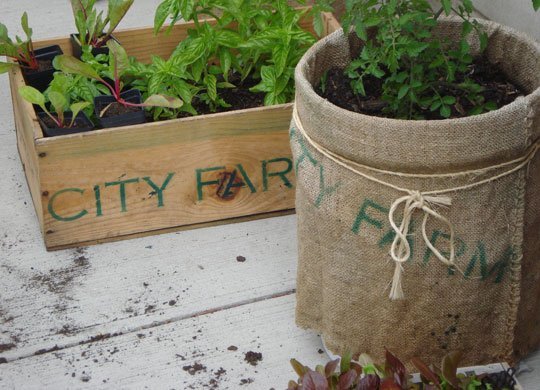
How to Start a Container Garden
Container gardening is a great way for city dwellers to have their own home-grown food source in a small space. All you need is a deck, a roof garden, or a tiny patch of well-lit space to start your own small garden. To learn the basics, read about a session with Merill Smith, from Chicago's City Farm. Get ready for growing season! What You Need Materials The planters Merrill uses are made from recycled 2x4s with a plastic screen lining the bottom. She lines the screen with newspaper or burlap, so the soil doesn't fall through. A wine crate is another great option. For herbs and lettuce, a planter with a larger surface area and shallow roots in about 2-4 inches of soil will create a higher yield. Tomatoes require a deeper planter. (Merrill uses a plastic bucket lined with burlap and filled with compost.) The materials for Merrill's planters came from the ReBuilding Exchange , an organization that works with contractors to recycle materials from demolitions and renovations. The compost Merrill uses comes from City Farm , a sustainable vegetable farm between the Gold Coast and Cabrini Green. They sell compost to the public for $5 per bucket. The seeds and sprouts shown above also came from City Farm . Merrill sells her Green Box (the large version shown above) through City Farm for $75, $50 of which goes to the farm. Tools: Planter that provides aeration for roots 2-4 inches of good soil (high-quality compost is best) Seeds or sprouts Sunlight (most herbs and vegetables require a couple hours of full sun per day) Water Hand-held garden cultivator (claw) Instructions Choose what you're going to grow. Good options for container gardening include herbs such as basil, sage, and mint; red and green lettuce; and tomatoes. Purchase or build your container. For herbs and lettuce, it should be a shallow container with a large surface area and a screened bottom that allows the roots to aerate. For tomatoes, use a deeper container, such as a bucket. (See "resources" above for details.) Find a sunny spot for your herbs and vegetables. Herbs and lettuce need at least a couple hours of good sun per day; tomatoes need full sun. Fill the container with 2-4 inches of compost soil. If you're planting sprouts, make sure to give them a few inches of space around the roots. If you're planting seeds, scatter the seeds evenly across the planter. Keep a couple of containers of each plant going at once, so that when you've clipped one plant, you have another one ready for your next meal. Water your plants regularly. Herbs should have somewhat damp soil, don't let your shallow planters dry out. Tomatoes, on the other hand, are easy to over-water. Feel the soil before you water them. If it's moist, wait until it's dry before watering. Water around the base of the plant, rather than through the leaves. Use a hand-held garden cultivator (a claw) to aerate the surface soil without disturbing the roots too much. Herbs and lettuce take about 2-3 weeks to grow from a sprout into enough to cook with. If you keep a couple of containers going, you can cultivate/reseed/replant every 2 weeks to keep a constant supply going. To harvest your plants, use scissors to snip the leaves or vegetables. Snip the leaves around the base of the plant first, so that it will continue to grow and fill out. At the end of the growing season, you can store your compost soil. Next year, turn your soil over and reseed it for a new crop. Tips for Herbs, Lettuce, and Tomatoes: Lettuce: Lettuce is a good cool-weather crop; its growing season lasts until the end of October. Lettuce goes through a sweet phase before it turns bitter. Before you clip it, try a little to make sure it tastes good. Tomatoes: Tomatoes need full sun and a deep pot. They don't like lots of rain or over-watering. For a strong tomato, you want to see full leaves before the tomatoes sprout. (See above sections for more details.) Basil: Basil is a fairly easy herb to grow. Space the sprouts/seeds evenly when you plant it to give it enough room (see photo #1 for an example). As it grows, clip any "flowers" before the plant goes to seed. Cilantro: Like basil, cilantro "flowers" should be clipped before the plant goes to seed. It requires plenty of drainage for the roots. Mint: Mint grows like a weed, and should be planted in its own, separate container so that it doesn't overtake other plants. Arugula: Arugula does better in cool areas than most herbs or vegetables. It works well on a shadier porch, but it still needs some full sun every day. Additional Notes: For more information about City Farm (at Clybourne and Division), click here . For more about the Green Grocer (at Grand and Noble), click here . For more about ReBuilding Exchange (3335 West 47th), click here . 520 Park Avenue http://www.apartmenttherapy.com/how-to-start-a-container-garde-90430
Read more

Moving Tips
Did you know summer is the most active season for moving? Tis the season indeed, and here at 520 Park Avenue we've already noticed the influx of interested renters! So many find moving to be stressful, while we're over here excited to welcome new residents to our community. But whether you're a first time renter or a renting veteran, you should utilize the tips below to help make your move less stressful: Use Your Friends If you have friends or family that live close by, ask for their help. This will help save on movers since most relatives and friends won't mind being compensated with drinks and food. They're people that you can trust with your valuables, which will help you stress a little bit less. Hire Movers If you don't have friends or family close by, hiring movers can also be beneficial. Although this will require monetary compensation, most movers come insured, meaning if something happens to your items, you will be paid for the damage or loss. Be sure to read the fine print on a moving contract to understand their hours, pay and, most importantly, if they offer everything that you will need. Get Organized From grouping items together in boxes to having a labeling system, being organized during a move can cut stress down more than you think. At least group everything that you'll need within the first day or two of moving into the same box so it is all easily accessible and you won't have to dig for individual items in multiple boxes Pack Smart Packing up, unpacking and everything in between can be the main source of stress for many people. If you're packing breakables, make sure that they are packed with packing paper or bubble wrap to ensure nothing gets broken. You could also consider packing your fragile items with clothing so it takes care of two things at once. Another helpful tip is to pack small amounts over the course of a week or two, instead of trying to pack up your entire life the night before a move. Although moving can be a daunting task, taking your time and making sure you're organized in every way possible can make it better. Moving should be an exciting time, not one to worry about. What are some other tips you have that have helped make your move easier? Share your ideas so others can take advantage!
Read more

How Rude
We all encounter them--a line jumper at Starbucks, a snippy colleague, an opinionated in-law! Half the time, rude people don't even realize they're being rude, because, perhaps, that's the way they've always behaved. So instead of getting heated over a silly comment from a person you consider rude, take a deep breath and cool your head before responding. And keep these helpful tips in mind: Remember, sometimes the rude person is you . Maybe not today, but there've been times when you were rude. And you're not a bad person. So next time somebody's rude to you, remember that they're human just like you, and rudeness alone doesn't mean they're a bad person either. Don't take it personally (even if it's personal). When someone's rude, especially if they're making personal comments about you, it's easy to get upset. But you have a choice about how you react. Take the power out of their rudeness by choosing to treat it as their problem, not your problem. Find out why. People have their own reasons for being rude. Perhaps they've had a bad day, or they're in a hurry and think there isn't time for manners. Perhaps they don't even realize how rude they've been. You won't know until you ask! Stay calm and simply say, I think that's pretty rude. Why are you treating me like this? The answer may surprise you. Be objective and analyze the rudeness. So somebody was rude to you. What did they do or say? Was there any sense in it? If you view the situation objectively, you'll realize that most rudeness is senseless, so you can cheerfully ignore it. On the rare occasions when there's logic behind the rude behavior, staying objective lets you address the root of the problem instead of the rudeness concealing it. Don't join the drama club. Do you feel like yelling at the rude people around you? Don't. Joining in the drama will only escalate the situation. Whether you're dealing with a drama queen who's doing it on purpose, or an inconsiderate oaf whose rudeness is unintentional, keep your dignity intact by not letting rude behavior provoke you into a tantrum of your own. Let it drop and walk away. Rudeness is hurtful, but removing yourself from the situation is the fastest and surest way to avoid more rude behavior from the same person. Walk away, even if they're still talking to you! If they're a stranger, you'll never have to deal with them again. If they're a friend or colleague, they'll soon learn that being rude to you gets them exactly nowhere (and maybe that will prompt them to be nicer next time). Consider offering help. Some rudeness is a simple case of bad manners. But often, a person who's rude to you does so because they feel frustrated about something, and if it's within your power to resolve their frustration, you may see them switch from rudeness to gratitude in seconds. A word of warning, though: only offer help if you can provide it immediately, as an offer of help "later on" can add to their feelings of frustration. Understand rudeness as a habit. Some people are rude simply because they're always rude. Once rudeness becomes a habit, it can be difficult to shake off even if they truly want to behave better. Habitual rudeness should never be taken personally; it's just a pattern that's hard to break. Which brings us to the next point. Don't try to force a change. You can't make someone be polite if they want to be rude. In fact, trying to force a change in their behavior will often make them behave worse instead of better. Sometimes your best option is to accept that their rudeness is not your fault and let them find their own solutions. Fight rudeness with kindness. Don't let rudeness make you respond with more of the same. The best way to defuse rude behavior is to stay friendly and helpful, giving the other person a chance to calm down and adjust their behavior to match yours. 520 Park Avenue
Read more

Working From Home
For those of you who work from home, you've likely settled into your routine and rarely take your work elsewhere. But what happens when your roommate suddenly takes up guitar lessons? Or your dog won't shut up about the poodle he spots in the parking lot? You need a retreat, and now. But what other wifi-enabled building also houses the gadgets and supplies necessary to get your job done? If you've never taken advantage of 520 Park Avenue 's community Business Center, now's the time! By working from the comfort of our Business Center, you'll obviously see an immediate difference in your bank account, and you're saving yourself from the suit and polished shoes every day. And have you noticed you're even saving on food? But if you visit our Business Center, you'll get free coffee to boot! In the Business Center, you have the quiet and privacy you need to get your work done, but company is there when and if you need it! Between the office staff and other residents coming and going, you'll get the human interaction everyone needs without the bother of colleagues a few feet away from you constantly. I bet you don't know anyone who enjoys meetings. (No amount of free coffee and donuts can make up for having to sit in a stuffy conference room next to the pen-clicking guy from sales!) When you work remotely, you'll not only be able to choose your breakfast and your seat, but you can also be much more effective. With just a few clicks, you can have 10 people on a video call that'll probably last just 15 minutes instead of 45. And you can use the chat function in the video call to quickly share docs (forget making copies or having everyone search their emails) or to add important comments without interrupting anyone. Good thing we have such fast internet and WiFi, huh? You'll also learn to avoid being distracted by your TV at home or your next load of laundry. And, in fact, you should find yourself getting more done when you work outside the home, but not necessarily in the office. That's because you can control your working situation much more, you don't have to worry about co-workers stopping by to "just ask a quick question" (and 20 minutes later...), obligatory socializing when you grab more coffee, or offending someone by shutting the door to your office. When you're remote and need to really concentrate, you can just change your status in the group chat to "do not disturb" and buckle down. Even if you don't want to work in our Business Center every day, it's here for you when you're ready for a change of scenery! And it comes with free coffee (and sometimes some leftover treats!), company when you want it, and every office supply you would need to get your work done.
Read more
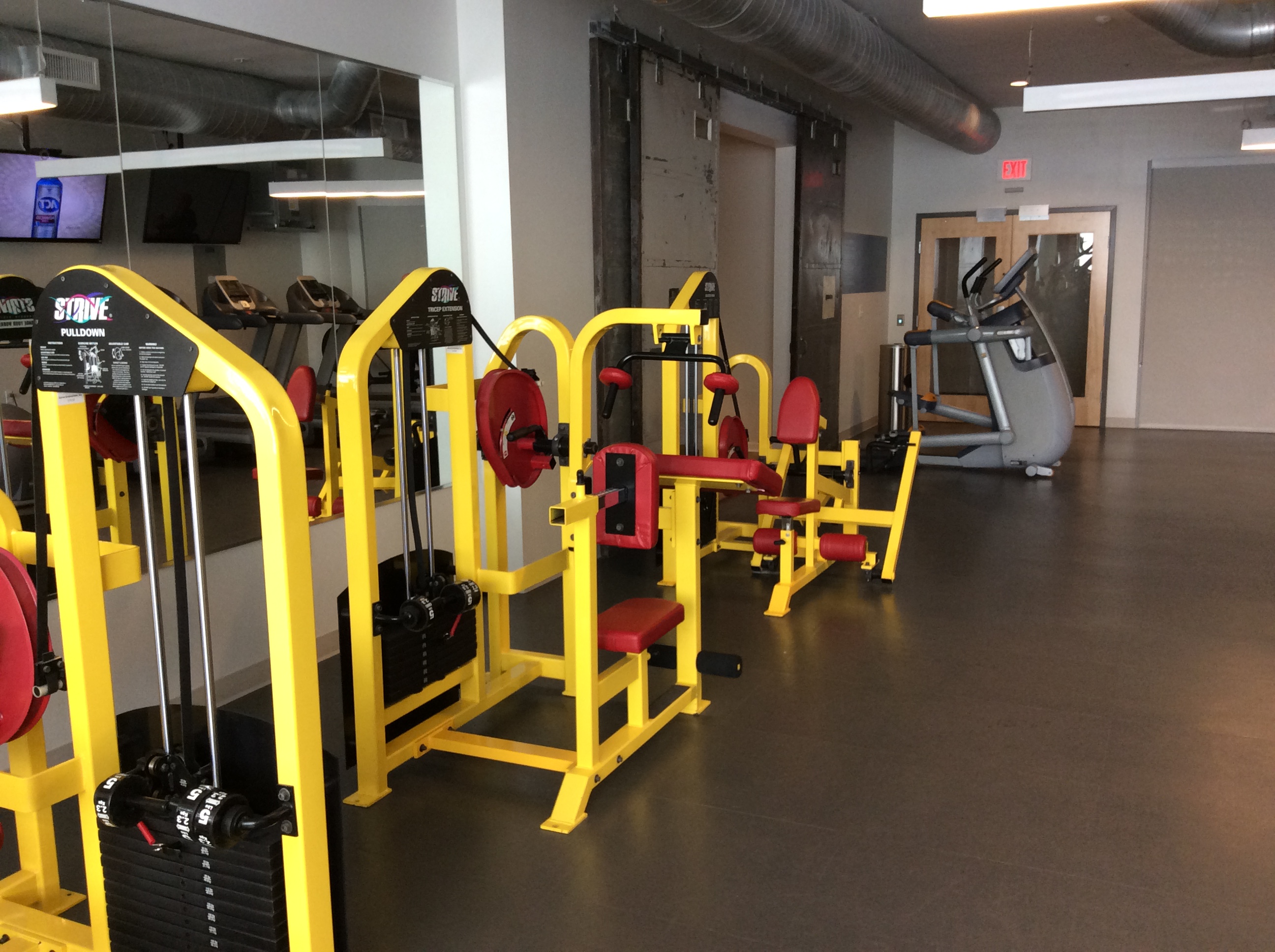
Easy Workouts in the Fitness Center
You pass by it every day - that door in the building marked "Fitness Center." Isn't it about time you used it? Many ignore their community's fitness center, opting either for larger, full-service gyms or forgoing exercise altogether. But what 520 Park Avenue 's fitness center lacks in equipment, it makes up for in convenience - it's open 24/7, just steps from your door! And through the useful tips below on how to take advantage of the fitness center, you'll be breaking a sweat in no time. One benefit an on-site gym offers is that residents rarely overlap with other tenants, meaning you can run your own interval-training workout (like the ones listed below) using multiple pieces of equipment at a time. Each workout can be scaled for either the fitness fanatic or the absolute beginner. Let's Start With The Basics It is suggested that a regimen of bodyweight movements done in a small space can be made more difficult by simply adding weight. Things like squats , pushups and lunges can be easily learned, then you drill on the mechanics and get it right before going more intense. Making sure you're doing each exercise right is key, especially in a space where you'll typically be working out alone. You can't throw weights in your hands if you don't know the proper way to squat. Focus On Your Core Your core is like your car's transmission; it's where much of your power comes from when you exercise. Concentration on exercises from your core to your extremities, avoiding machines that take away any core stabilization - and avoiding targeted movements like bicep curls. Instead, focus on the way you feel opposed to the way you think you'll look. Keep Track Of Everything Another perk of having the fitness center to yourself is there's no one to compete with, it's just you against yourself. One of the best ways to keep yourself motivated is by measuring your own fitness level. If you keep track of everything you do and then revisit it, you can see yourself building results. By setting a tangible goal and keeping on top of yourself, you're going to perform and feel better. Here are a few self-propelled workouts to test in Overlook's fitness center. Give them a try, you might surprise yourself. In 10 minutes, complete as many rounds as possible of: Beginner: 5 sit-ups, 10 push-ups, 15 walking lunges Advanced: 5 v-ups , 10 man-makers with dumbbells, 15 walking lunges with dumbbells Complete three rounds, as fast as possible of: Beginner: 10 squat jumps, 100m sprint on the treadmill Advanced: 10 goblet squats , 100m sprint Four 400m runs on treadmill with a two-minute rest in between run. Complete all movements as quickly as possible: Beginner: 100 squats for time, pausing at the start of every minute to complete four burpees Amateur: 100 dumbbell front squats, pausing at the start of every minute to complete four burpees.
Read more