

Posts about Green Living

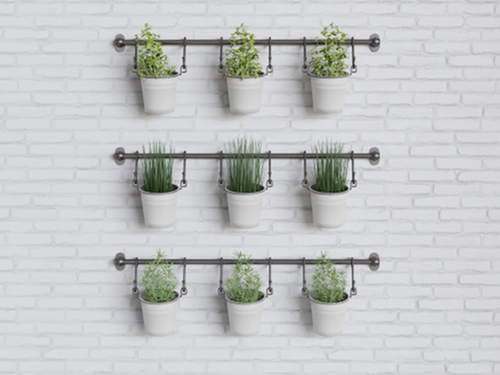
Small Space Gardening: Bringing Greenery to Your Apartment
Living in an apartment doesn't mean you have to sacrifice the joy of gardening. Even if you have limited space, you can create a lush and thriving indoor garden that not only adds beauty but also purifies the air and enhances your well-being. In this guide, we'll explore creative ideas for small space gardening and introduce you to plants that are perfectly suited for apartment living. Let's dive in and transform your living space into a green oasis! 1. Vertical Gardens: When floor space is at a premium, look up! Vertical gardens are an excellent way to maximize your greenery in a small apartment. You can use wall-mounted shelves, plant pockets, or a trellis system to hang your favorite plants. Consider succulents, air plants, and trailing vines like pothos and philodendron for this setup. 2. Windowsill Gardens: Utilize your windowsills to create a charming mini garden. Herbs like basil, mint, and parsley thrive in small pots, and they're perfect for adding fresh flavor to your meals. Make sure your herbs receive plenty of sunlight for healthy growth. 3. Hanging Gardens: Install ceiling hooks and hang a variety of plants in decorative planters or macramé hangers. This not only saves space but also adds a unique and stylish touch to your apartment. Ferns, spider plants, and hoyas are great choices for hanging gardens. 4. Terrariums: Terrariums are like tiny, self-contained ecosystems that require minimal maintenance. They are ideal for small spaces and can be customized with a variety of small succulents, air plants, or moss. 5. Shelf Gardens: Floating shelves or wall-mounted planters are a clever way to display a collection of small potted plants. Mix and match different species to create an eye-catching display. Consider using shelves near a window to ensure they receive adequate light. 6. Nook and Cranny Plants: Utilize every nook and cranny in your apartment for greenery. Place small pots on bookshelves, end tables, and even in bathroom corners. Plants like snake plants and peace lilies are excellent choices for adding a touch of nature to tight spaces. 7. Hydroponics: If you're up for a bit of a gardening experiment, consider hydroponics. These soil-less systems are space-efficient and allow you to grow herbs, lettuce, and small vegetables indoors. They can fit neatly on a countertop or windowsill. No matter the size of your apartment, there's always room for a bit of greenery. Do you think you will use any of these suggestions to liven up your home at 520 Park Avenue? Your apartment will thank you with a burst of green vitality.
Read more

Exploring Maryland's Unique Wildlife: 6 Animals Endemic to the Old Line State
Maryland's unique blend of landscapes, from the Appalachian highlands to the coastal plains, hosts a diverse range of wildlife. There are several animals that are exclusive to the state, making them even more special. In this blog post, let's take a closer look at six remarkable animals that are endemic to Maryland. 1. Maryland Blue Crab : No discussion about Maryland's wildlife would be complete without mentioning the iconic blue crab. These crustaceans are synonymous with the Chesapeake Bay and are a vital part of the state's culture and economy. Blue crabs are essential for maintaining the bay's ecosystem. They play a role in controlling the population of certain prey species, making them a true symbol of Maryland's connection to its waterways. 2. Maryland Darter : Hailing from the cool, clear streams of Maryland, the Maryland darter is a small, vibrantly colored fish that is endemic to the state. Its intricate patterns and shades of color are striking. Being sensitive to changes in water quality, this darter serves as a critical indicator of stream health, making its conservation crucial. 3. Delmarva Peninsula Fox Squirrel : The Delmarva Peninsula fox squirrel, found in Maryland's woodlands, is the largest squirrel species in North America. With its silvery-gray fur and unique ear tufts, it's a standout in the squirrel world. However, habitat loss due to development has impacted its population, emphasizing the importance of preserving its natural environment. 4. Eastern Box Turtle : Residing in the woodlands and grasslands of Maryland, the Eastern box turtle is a treasured reptile recognized by its hinged shell. This feature allows it to retreat into its shell for protection. Sadly, habitat loss and road incidents have led to a decline in its numbers, making its preservation a vital mission. 5. Cumberland Slider Turtle : Endemic to the state's western regions, the Cumberland slider turtle thrives in the freshwater habitats of Maryland. With its distinctive markings and vibrant colors, it's a true representation of the state's diverse wildlife. Conservation efforts are necessary to ensure the continued existence of this unique turtle. 6. Maryland Yellowthroat Warbler : Venturing into the avian world, we find the Maryland yellowthroat warbler, a bird that calls Maryland's wetlands and marshes home. Recognizable by its distinctive mask, this warbler's cheerful song is a common sound in its native habitat. As wetland areas face threats, protecting these spaces is vital for the survival of this endemic species. Maryland's rich ecosystems are home to an array of animals that contribute to the state's ecological uniqueness. From the vibrant Maryland darter to the stately Delmarva Peninsula fox squirrel, each creature plays a role. By appreciating and safeguarding these endemic species, we can ensure that Maryland's natural heritage remains vibrant for generations to come.
Read more
9 Tips for Sustainable Apartment Living
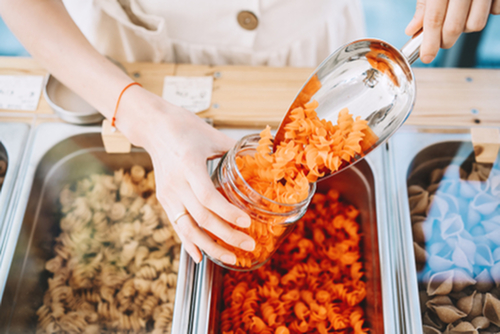
Creating a positive environmental impact starts at home. Through sustainable living, we can live a lifestyle that attempts to reduce society’s reliance on the Earth’s natural resources. Apartment dwellers can take earth-conscious steps towards making their home an eco-friendly zone and reap the numerous benefits that come along with sustainable living, which include cost savings and a healthier life. To help you take the first step into sustainable apartment living, here are 9 tips: Reduce Your Energy Use There are numerous ways to reduce your home’s energy consumption, like making sure to shut down your computer, unplugging idle electronics, and turning off lights when they’re not in use. Speaking of lights, make sure you’re using LEDs , which are eco-friendly, energy-efficient, and have a longer lifespan. Conserve Water Did you know the average American uses an average of 82 gallons of water a day at home? What’s more, nearly 1 in 10 people around the world lack access to clean water . Do your part to reduce water consumption by turning off the water when it’s not in use (this includes while washing hands), taking shorter showers, only running your dishwasher when its full, and reporting all water leaks to your Leasing Office. Conserving water protects our ecosystem and can also save you money on your energy bills! Use Green Cleaning Products Cleaning products are necessary for maintaining attractive and healthy conditions - the removal of dust, allergens, and infectious agents is crucial to maintaining a healthy indoor environment. However, certain cleaning products may contain chemicals associated with eye, skin, or respiratory irritation, or other human health issues . Making the switch to green cleaning products can help to reduce the human health and environmental concerns that come along with cleaning. To identify greener cleaning products, consult the EPA’s Safer Choice program , which certifies products that contain safer ingredients for human health and the environment. Opt for Energy Efficient Appliances While you may not have a say in the type of larger appliances used in your apartment home, swapping your smaller appliances for eco-friendly alternatives can make a huge difference in your energy bill and carbon footprint. Though they can cost more up front, energy efficient appliances will save you enough in utility costs that they’ll often pay for themselves in a short time. Shop Sustainable Furniture Often made of cheap single-use materials derived from questionable working conditions, fast furniture is manufactured quickly and en masse to keep up with passing trends. That kind of consumption is having real ramifications on the planet. The EPA estimates that over 9 million tons of furniture is tossed in landfill each year. What’s more, as furniture decomposes, it can emit harmful gases like methane and carbon dioxide. When furnishing your apartment home, first opt for secondhand pieces to help keep them out of landfills. If secondhand isn’t an option, opt for pieces made from sustainable materials and by brands that are doing their part to reduce their environmental impact . When it comes to floor coverings, choose rugs made with natural materials like organic cotton, seagrass, jute, and wool. Control Temperature Naturally Besides adding a touch of design and personality to your apartment, window treatments provide shade against the sun in the summer and trap heat during winter. When choosing window attachments, look for products certified with the Attachments Energy Rating Council (AERC) Energy Improvement rating for increased energy savings and added comfort. Control the temperature in your home more naturally by opting for an open window vs air conditioning or adding or removing layers of clothing. And when it is time to turn on the thermostat, make sure to schedule your programmable thermostat for optimal energy savings. Reduce Your Overall Consumption Recycling items you’re no longer using is a great way to reduce your footprint, but reducing your consumption in the first place has an even bigger impact. Buying less isn’t about purchasing only sustainable brands or shopping secondhand. It’s about being thoughtful with what you buy, thinking about the future, and spending your hard-earned cash on things you’ll actually use. Opt for Zero-Waste Consumables Single-use plastics are a glaring example of the problems with throwaway culture and reflect our tendency to prioritize convenience over durability and consideration of long-term impacts. Of the 300 million tons of plastic waste produced each year worldwide, half of that is for single-use items. Zero waste alternatives can be found for nearly every single use plastic consumable – like toilet paper, dish soap, laundry detergent and more! When it comes to living a low waste lifestyle, perfection isn’t the prime objective. Simply swapping out one or a few of your “normal” items for these zero waste products is a significant move. Compost Food Waste Tossing food waste into a garbage bin might seem like no big deal, but food waste sent to landfills can seriously impact climate change. When food waste is trapped in a landfill without air, it releases methane, which is a potent gas that contributes significantly to global warming. One way to avoid this is to compost your food waste . Composting is a process of naturally recycling organic materials like leaves and food scraps into decomposed matter that enriches the soil. Composting simply speeds up the process of decomposition by creating the ideal environment for microorganisms to feed on them. You can add compost to your window boxes or mix it with potting soil for indoor plants. Creating an eco-friendly apartment has immense benefits, from ridding your space of dangerous greenhouse gas emissions, improving your health by avoiding products and materials that contain toxic chemicals, and saving energy by using lights and electrical appliances that are power efficient. Practice the tips mentioned above and create an eco-friendly apartment. Not only will you save money, but you will be doing your part in saving our planet.
Read more

America Recycles Day 2022
November 15 th is America Recycles Day; a day aimed towards recognizing the importance and impact of recycling. Environmental Protection Agency encourages every American to contribute by recycling right, not only on America Recycles Day, but all year long. This means not only checking with your local recycling provider to know what they will accept in your recycling bin, but also learning how to properly recycle item that do not go in the curbside bin , like plastic bags, electronics, and batteries. Benefits of Recycling Recycling offers many benefits; some of which you are likely already aware and others which you may not have considered! Beyond reducing the amount of waste sent to landfills and incinerators, some of recycling’s other benefits include… Conserving natural resources such as timber, water, and minerals Increasing economic security by tapping a domestic source of materials Preventing pollution by reducing the need to mine raw materials Saving energy Supporting American manufacturing Creating new jobs What You Can Do to Reduce Waste Whether you're at home or on the go, there are many opportunities to go green by reducing, reusing, and recycling. For example, ask yourself these questions before making a purchase: Do I really need it? Do I have something similar? Will I use it often? Can I borrow this from someone? Can I buy it secondhand? Do I just want it because someone else has it? Recycle More, Recycle Right How often do you ask yourself what's right to put in your recycling bin? Making sure we know how to recycle the items we are discarding is important to preventing contamination, because too many contaminants can make the recycling load unacceptable. Recycling machinery and sorting lines must slow down to sort through additional waste material. This slower processing increases operating costs and puts our national recycling efforts in jeopardy. You can help improve the recycling rate by following these steps… Check with your local recycling program to know what goes in your recycling bin . Keep recyclables clean and dry. Keep food and liquids out of the recycling bins. Place your recycling bin and trash bin together so it’s easy to recycle. Consider composting your food waste . Keep plastic bags and wraps out of your recycling bin. Instead, find a drop off location that accepts these items for recycling. Empty and flatten cardboard boxes before you recycle them. Pizza boxes are recyclable; pizza is not! Spread the word about the benefits of recycling and recycling right. When in doubt, throw it out. On this America Recycles Day, we encourage our Residents to revitalize our efforts to help address the climate crisis and meet the obligations we have as a Nation to future generations. Together we can create a cleaner and greener country.
Read more
Naturally Clean Your Oven with Baking Soda
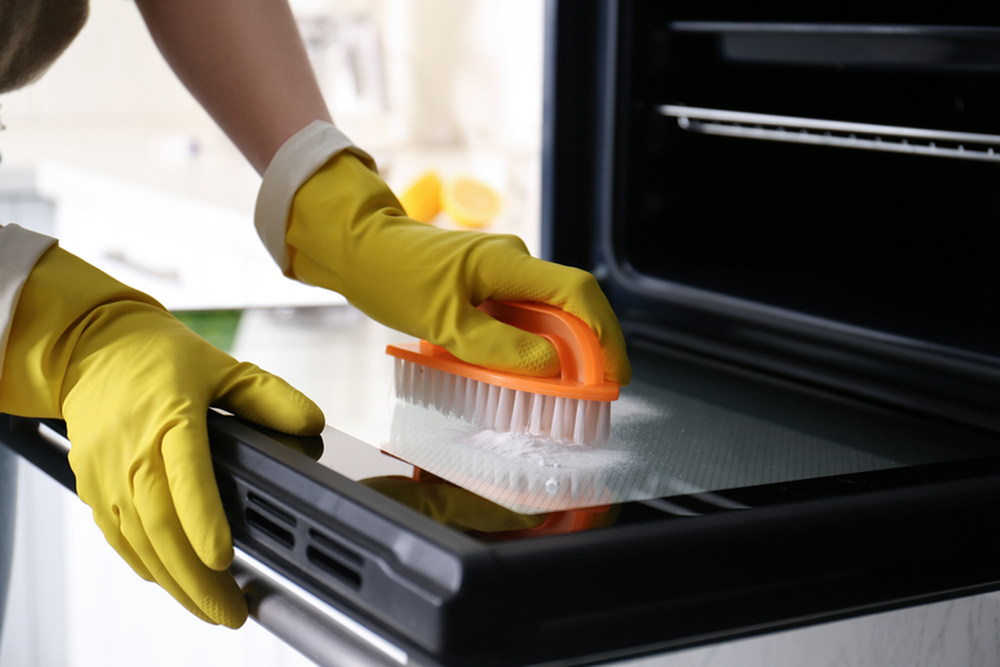
No one looks forward to cleaning their oven. Of all our household chores, oven cleaning is one of the dirtiest, most tedious, and time-consuming. What’s more, commercial oven cleaners are often unpleasant to work with, containing a laundry list of chemicals which can cause burns or irritation of any exposed tissue, whether that is the mouth, skin, eyes, or airway . If you are understandably concerned about using these chemicals around your family and pets or in the appliance in which you cook your food, make a DIY oven cleaner using baking soda instead! Baking soda is non-toxic, inexpensive, easy-to-use, and remarkably effective at cleaning oven grease. Baking soda, which is alkaline, works by neutralizing acids and breaking down the grease, allowing you to wipe it up without a lot of scrubbing or effort. It’s also a mild abrasive, so it works well at removing dried, stuck-on foods. Plus, in most cases, baking soda works its magic in just 15 minutes and you can use it immediately after cleaning! To get started, combine ½ cup baking soda and 3 tablespoons of water to make a paste roughly the consistency of pancake batter. Next, remove the racks from the oven. Using a rubber spatula or a gloved hand, smear the paste over the dirty parts, making sure to avoid the heating elements. Let the paste sit for 15-20 minutes before wiping up the paste and loosened dirt and grease with wet paper towels. Finally, wipe the oven’s interior with a wet paper towel, using water or a 3:1 mixture of water and distilled vinegar. Repeat if necessary for tougher stains! Without harsh fumes that can make you dizzy, caustic chemicals, or unpleasant odors, you can have a clean oven in as little as 15 minutes. Let baking soda break down your food stains for you, and all you must do is wipe it away!
Read more
15 Tips for Eliminating Single-Use Plastics
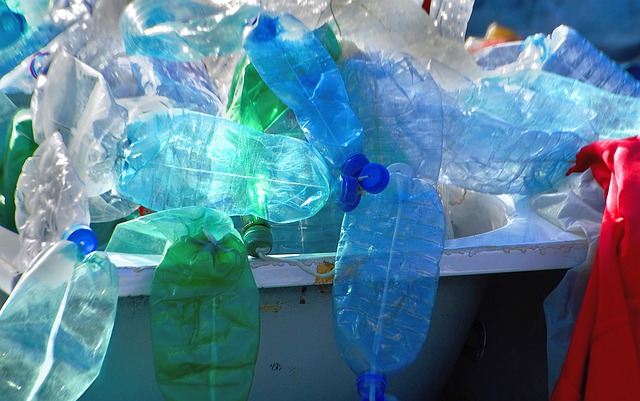
Single-use plastics are everywhere: the straw in our iced coffee, the plastic bags we use to carry our takeout home, the shampoo bottle on our shower rack. What’s more, they’re so ubiquitous—and so quickly thrown out—that they hardly register in our minds. But what is the actual cost of this prioritization of convenience over durability? The answer is pretty scary. Each year, we produce 300 million tons of plastic waste – with 8 million tons ending up in our oceans . Beyond that, microplastics in farm soils is a growing concern and is an overall threat to global human health . Not to mention, they are a contributing factor to climate change . With all that we know about the dangerous implications of our single-use plastic habit, many people are making more environmentally-conscious choices when it comes to our consumer habits. If you want to join in the fight against single-use plastic pollution, here are some tips to get started! Stop using plastic straws, even in restaurants. If a straw is a must, purchase a reusable stainless steel or glass straw . Use a reusable produce bag. A single plastic bag can take 1,000 years to degrade . Purchase or make your own reusable produce bag and be sure to wash them often! Give up gum. Did you know chewing gum creates more than 100,00 tons of plastic pollution each year. Purchase food, like cereal, pasta, and rice from bulk bins and fill a reusable bag or container. You save money and unnecessary packaging. Reuse containers for storing leftovers or shopping in bulk. Use a reusable bottle or mug for your beverages, even when ordering from a to-go shop. Some of them even offer a bring-your-own-cup discount ! Use matches instead of disposable plastic lighters or invest in a refillable metal lighter. Avoid buying frozen foods because their packaging is mostly plastic. Even those that appear to be cardboard are coated in a thin layer of plastic. Plus you'll be eating fewer processed foods! Don't use plasticware at home and be sure to request restaurants do not pack them in your take-out box. Use cloth diapers to reduce your baby's carbon footprint and save money . Make fresh squeezed juice or eat fruit instead of buying juice in plastic bottles. It's healthier and better for the environment. Make your own cleaning products that will be less toxic and eliminate the need for multiple plastic bottles of cleaner. Pack your lunch in reusable containers and bags. Also, opt for fresh fruits and veggies and bulk items instead of products that come in single serving cups. Use a razor with replaceable blades instead of a disposable razor. Skip the receipt. Thermal paper used for things like store receipts, movie tickets, and boarding passes are coated with measurable levels of BPA. We’ve a long way to go before plastic-free living becomes commonplace, but by making these simple switches in our daily life and refusing single use plastic where we can, we can each do our part to get one step closer. What switches have you made to eliminate single-use plastics from your life? Let us know in the comments!
Read more