

Posts about 520 Park Apartments in Mount Vernon


Questions You Should Be Asking Potential Roommates in 2021
Finding a roommate can be stressful. Cohabitation is tricky and finding a compatible roommate can be the difference between a home that’s a peaceful sanctuary and one that’s a torturous nightmare. However, living with roommates can also be an enriching experience… allowing you to live independently, but still have a community in your home when you want company. And of course, there’s the obvious benefit of having someone with which to share expenses. So, if you’ve decided to get a roommate, use these questions to ask candidates about their lifestyle, personality, and expectations when it comes to sharing a space. The answers to these questions could be deal-breakers for either party. At the very least, the answers will reveal a lot about potential roommates and help you set good rules and expectations, so you’ll hopefully avoid any grief and confrontation down the line. What are your views on COVID-19 precautions? It’s an unavoidable question when two social bubbles are becoming one during a pandemic. If your views on vaccinations, social distancing, or masking differ, it’s best to know that now than to find out after you’re living together. We think this questions should come up first, because it might be the biggest deal breaker on the list. Do you smoke? Smell, personal history, religious beliefs, fire hazards, and health concerns are just a few reasons someone could opt for a smoke-free roomie. How do you want to split the cost of rent and utilities? While having a roommate means someone to share the cost of living with, it’s not always as simple as a 50-50 split. Is one of the bedrooms larger? Or does it include an attached bathroom or walk-in closet? Should the person occupying that room pay more? Perhaps one of you will be working from home and consequently using more electricity and water. Talking about finances is usually a little awkward, but it’s an unavoidable part of adult life. If the idea makes you anxious, do some prep work ahead of time to learn how to breach the topic casually but directly . Have you ever missed a rent payment? As confrontational as this question may seem, this is a valid and relevant query to ask a potential roommate. Although you may have just decided to split the rent up a certain way, if your roommate can't hold up their end of the bargain, it could put both of your housing in jeopardy. Not to mention, it could result in added fees, hurt your credit score and negatively impact your future apartment hunts . Knowing how well your future roommate handled their financial responsibility in the past will likely give you an indication of future behavior. Have you had a roommate before? What’s your current relationship with them like? This artful question could be a sneak peek into your future. All roommates are bound to butt heads occasionally, but if this question is met with a string of nasty remarks about a nightmare ex-roomie, it could be a red flag. Are they the common denominator? Best case scenario: this question is met with glowing accounts of past cohabitants, some of which you may be able to call as a reference. Will you be bringing any pets? While we love our four-legged Residents, we realize pets in the home might not be for everyone. Additionally, it’s important to know if your potential roommate can fully cover pet rent, a pet deposit, or potential damages. Who will watch the pet when your roommate is at work or on vacation? These are points you’ll want to hit. Also, make sure you know your community’s pet policy and restricted breeds before making any decisions about pets in the home. What are your cleaning habits? Even though you’ll each have your own sleeping space, there are plenty of communal areas of the home that you’ll share. If you and your prospective roommate prioritize different aspects of the chore list, perhaps splitting up responsibilities and maintaining an adequate space will be simple and easy. What’s your ideal indoor temperature? Whatever you like to keep your space cool enough to snuggle up under a mountain of blankets or prefer it a little warmer, you’ll want to assess whether your potential roommate is in alignment. Constantly adjusting the thermostat or bringing it to an unusually high or low temperature will cost you and your roomie money. To keep electric bills low (and avoid the fight over the thermostat), it’s best to find a roommate with similar temperature preferences. What are your preferred sleeping conditions? Even if you’re not sharing a bedroom or studio space, odds are you’ll at least be sharing a wall with your roomie. Whether they need white noise, complete silence or even background noise from a television, this is something you’ll want to know before your first night together. Getting a good night’s sleep is just as important to your health as regular exercise and a healthy diet , so know whether their answer to this question will disrupt your own sleep before you seal the deal. Do you have any food restrictions/ allergies? A lifelong vegan could find sharing food prep space with a steak enthusiast to be less than ideal. Moreover, if one of you has a severe food allergy, you’ll want to know so the kitchen remains a safe space for everyone. Are you in any romantic relationships? If your roommate has a romantic partner, it will likely mean you can look forward to having a frequent guest in your shared space. This could result in a higher water bill, less privacy, and potentially feeling left out in your own home. It also means one more person joining your bubble during the COVID-19 pandemic. You’ll want to explore this topic thoroughly before making any steadfast decisions with your prospective roommate. What’s your policy on overnight visitors? Whether it’s the romantic partner, family visiting from out of town, or a friend, you want to have clear standards set in place for overnight guests. How often are you both comfortable with this scenario? Your routines, sanity, and sense of security might be on the line. Do you work remotely or from an office? For many, the increase in remote work during the pandemic has been full of perks – including lack of commutes, childcare costs and more. Unfortunately for renters, there’s a flip side to the work-from-home wonderland. If you and/or your potential roommate works virtually, your shared apartment could also become a shared office. A work-from-home roomie could mean less privacy for you, a potentially stressful atmosphere, and a pricier utility bill. When asking your roommate about their career, be sure to assess how your work lives will mesh or become a source of tension. Having a roommate is a great way to lower your monthly expenses, take on fewer household chores yourself and make a live-in friend, but it’s important to find the right person with whom to share your home. Don’t let a lack of preparation in your roommate interview jeopardize what could be a perfectly nice arrangement. Asking a future roommate, the right questions will increase your chances of a great experience.
Read more
How to Organize Your Refrigerator
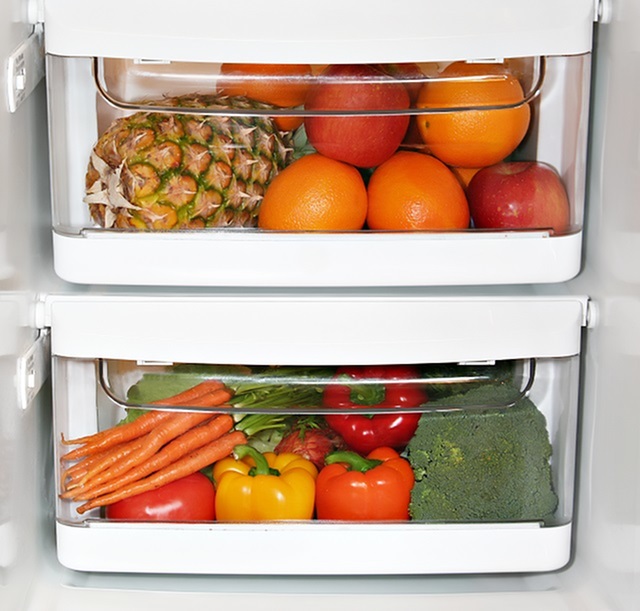
Having an organized refrigerator not only makes you feel great every time you open the door, it saves time when you're trying to get a meal put together, can help you eliminate food waste, and ensures you’re storing your food safely. Follow these tips to have an organized fridge and make sure you’re storing your food properly. Use Your Crisper Drawers Correctly There's a reason your refrigerator has separate drawers! While many of us tend to just throw whatever we want in the different drawers, using them properly helps to keep your produce fresh for longer. Designate one of your crisper drawers for the low-humidity setting. Store produce that tends to rot in this drawer. This includes fruits and veggies that emit an ethylene gas, like apples and pears, because the open window on a low-humidity drawer gives those gases a chance to escape ! The second drawer should be designated as the high-humidity drawer. Store your leafy greens, like arugula, spinach, and herbs in this drawer. By having the window closed, water vapor is held in the drawer and the moisture keeps the greens crisper and fresher longer. Fill Your Fridge to the Right Capacity Your fridge runs most efficiently and keeps food the freshest when it's between 60 percent and 70 percent full. If it's too full, not only will everything not receive proper airflow, but your refrigerator must also work extra hard to keep things cold. If a fridge is too empty, it has only air to keep cool, and air doesn't retain the cold as well as actual food and drink items. If your refrigerator has too much inside, it's time for a purge ! If you need to fill it up, just add a few jugs of water to help retain the cool temperature until your next grocery store trip. Put Non-Perishables in the Door The door is the warmest part of your fridge and the spot in which the temperature can fluctuate the most, so it's best to keep non-perishables on the shelves in the door. Things like condiments won’t go bad quickly, so they're perfect for the door. Something that’s not meant for the fridge door? Eggs! Store them in the main body instead . Place Perishables Near the Front You know that saying, "Out of sight, out of mind"? It's way too easy to forget about perishables when they’re hidden in the back of your fridge. Instead, put the things you want to eat first front and center where everyone can see them. This will remind your family to use the perishables first and help prevent unnecessary food waste. Store Meats and Seafoods on the Bottom To reduce the risk of meats contaminating other foods in your fridge, store them at the bottom in case of leaks. Make sure to only store uncooked meat in the fridge for one or two days before cooking or freezing. Know When to Dispose of Leftovers Knowing when to dispose of certain foods is crucial to keeping your household safe from foodborne illnesses. Use this chart to help decide whether to keep or toss your leftovers. Following these simple rules and tips will help ensure that your fridge stays neat and organized all year round and ensure food safety, and eliminate food waste!
Read more

15 Tips for Eliminating Single-Use Plastics
Single-use plastics are everywhere: the straw in our iced coffee, the plastic bags we use to carry our takeout home, the shampoo bottle on our shower rack. What’s more, they’re so ubiquitous—and so quickly thrown out—that they hardly register in our minds. But what is the actual cost of this prioritization of convenience over durability? The answer is pretty scary. Each year, we produce 300 million tons of plastic waste – with 8 million tons ending up in our oceans . Beyond that, microplastics in farm soils is a growing concern and is an overall threat to global human health . Not to mention, they are a contributing factor to climate change . With all that we know about the dangerous implications of our single-use plastic habit, many people are making more environmentally-conscious choices when it comes to our consumer habits. If you want to join in the fight against single-use plastic pollution, here are some tips to get started! Stop using plastic straws, even in restaurants. If a straw is a must, purchase a reusable stainless steel or glass straw . Use a reusable produce bag. A single plastic bag can take 1,000 years to degrade . Purchase or make your own reusable produce bag and be sure to wash them often! Give up gum. Did you know chewing gum creates more than 100,00 tons of plastic pollution each year. Purchase food, like cereal, pasta, and rice from bulk bins and fill a reusable bag or container. You save money and unnecessary packaging. Reuse containers for storing leftovers or shopping in bulk. Use a reusable bottle or mug for your beverages, even when ordering from a to-go shop. Some of them even offer a bring-your-own-cup discount ! Use matches instead of disposable plastic lighters or invest in a refillable metal lighter. Avoid buying frozen foods because their packaging is mostly plastic. Even those that appear to be cardboard are coated in a thin layer of plastic. Plus you'll be eating fewer processed foods! Don't use plasticware at home and be sure to request restaurants do not pack them in your take-out box. Use cloth diapers to reduce your baby's carbon footprint and save money . Make fresh squeezed juice or eat fruit instead of buying juice in plastic bottles. It's healthier and better for the environment. Make your own cleaning products that will be less toxic and eliminate the need for multiple plastic bottles of cleaner. Pack your lunch in reusable containers and bags. Also, opt for fresh fruits and veggies and bulk items instead of products that come in single serving cups. Use a razor with replaceable blades instead of a disposable razor. Skip the receipt. Thermal paper used for things like store receipts, movie tickets, and boarding passes are coated with measurable levels of BPA. We’ve a long way to go before plastic-free living becomes commonplace, but by making these simple switches in our daily life and refusing single use plastic where we can, we can each do our part to get one step closer. What switches have you made to eliminate single-use plastics from your life? Let us know in the comments!
Read more

Our Favorite Slow Cooker Recipes
It seems every home chef is talking about their air fryer or Instant Pot these days, but we’re still in love with our life-saving slow cookers! Slow cookers are great for so many reasons: they use less electricity than your oven, they fill your home with the wonderful aroma of whatever you are cooking, they bring out flavors beautifully and they are huge time savers! For these reasons and more, we turn to our slow cookers regularly. Here are some of our favorite tried-and-true recipes! Slow Cooker Honey Garlic Chicken & Veggies This recipe ticks all the boxes – it is flavorful, super easy to make, budget-friendly and family-friendly. When you’ve got a busy day ahead of you, throw the ingredients in your slow cooker, cook on low and come home to an amazing meal. Get the recipe here . Balsamic & Honey Pot Roast This slow cooker recipe is made using chuck roast, which when cooked low and slow, becomes so tender and flavorful. Another set-it-and-forget-it recipe, this pot roast is also a great make-ahead meal. When you are doing your meal planning and prep, throw the ingredients into a freezer bag together, then pull them out when you are ready to cook! Get the recipe here . Crockpot Chicken Fajitas No need to fire up the oven or the grill; the slow cooker does all the work for this chicken fajita recipe! We love serving the fajitas in a flour tortilla with white rice, but you can also use it for quesadilla, nachos, salad, or burrito. Get the recipe here . Crockpot Chicken Noodle Soup What is it about chicken noodle soup that we find so comforting? Maybe it’s the warm broth, the serotonin-boosting tryptophan , or the nostalgia of being served the good-for-the-soul concoction as children. Whatever it is, chicken noodle soup tastes even better when its homemade, and this crockpot recipe makes the already simple recipe even easier. Get the recipe here . Crockpot Swedish Meatballs We will say it – these crockpot Swedish meatballs are better than Ikea’s! Served over egg noodles and with a side of green beans, this is the ultimate comfort meal. The recipe is made using frozen meatballs, so it is easy to make. It is also a terrific crowd-pleaser. Even your pickiest eaters will love these meatballs. Get the recipe here . Crockpot Apple Dump Cake What would a list of favorite recipes be without dessert? This crockpot apple dump cake recipe is per- fection. Whether served hot or cold, topped or plain, this dessert will become your new favorite. The apple and cinnamon flavors make it great for fall, but you will love it all year round. Do you love your slow cooker as much as we do? What is your favorite slow cooker recipe? Let us know in the comments!
Read more
Five Fantastic Maryland Nonprofits to Support During National Volunteer Month
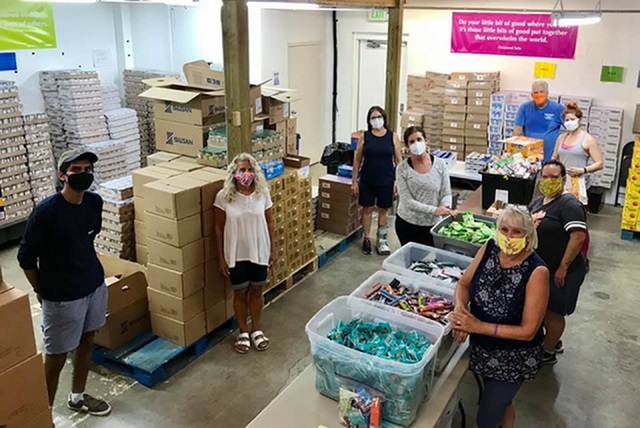
April is National Volunteer Month ! Volunteering is an immensely rewarding experience through which you not only provide vital help to your community, but can also improve your own mental and physical health ! So, if you are looking for a wonderful opportunity to give back this month, here are some fantastic nonprofits in Baltimore and beyond with which to volunteer your time! United Way of Central Maryland United Way of Central Maryland works to increase access to basic needs such as health, housing, employment, and education. Among its many programs is the nonprofit’s 211 helpline - a free, confidential 24-hour helpline that connects people of all ages and from all communities with the essential health and human services they need. 211’s call volume has skyrocketed since the pandemic, averaging more than 500 calls a day. Last year, the 211 Helpline answered more than 195,000 calls for help with housing, healthcare, employment, and more. You can help support the 211 helpline by making a donation here , or find other ways to get involved with United Way’s work here . Casey Cares Casey Cares works to keep families with critically ill children’s spirits high by arranging programming - whether it is a simple movie night and a fresh pair of pajamas or attending a major sporting event. Casey Cares aims to provide lasting memories for families throughout the Mid-Atlantic region, Florida, and portions of the Midwest. Each April, the nonprofit hosts #CaseyCaresBiggestPJParty - encouraging folks to wear pjs to work or school and to collect movie and pizza gift cards as well as new pajamas to donate to Casey Cares. Find other volunteer opportunities with Casey Cares here . The Maryland Food Bank Even before the start of the COVID-19 pandemic, so many families, seniors, children, and other neighbors turned to the Maryland Food Bank for help to put food on the table. Since the start of the pandemic, that need has only grown . The food bank is the hub of Maryland’s food assistance safety net, supporting a statewide network of thousands of community partners to meet the immediate needs of hungry Marylanders while simultaneously working to create pathways out of hunger. Find volunteer opportunities with the Maryland Food Bank here . Maryland SPCA The Maryland SPCA adopts out more than 3,500 needy and unwanted pets each year, providing warmth and comfort to them in their adoption center while the animals await new homes. The SPCA’ Spay and Neuter Clinic also performs approximately 9,000 surgeries each year on animals in its adoption program, other shelters and rescue groups, low-income pet owners, and feral cats all with the aim to reduce pet overpopulation. Other lifesaving programs include a foster program, Wellness Clinic and training classes which are offered to help keep pets in homes and out of shelters. Volunteers and staff also visit area schools each year to teach kindness to animals to children. Baltimore Hunger Project Children who come to school hungry often exhibit trouble concentrating, lower math and reading scores, difficulty interacting with peers, and lower graduation rates. Baltimore Hunger Project is dedicated to eliminating the growing problem of weekend childhood hunger by providing weekend food packages to children identified as food insecure, improving their health and increasing their chances at success in school. Baltimore Hunger Project is currently supporting more than 600 children at schools throughout Baltimore City and County . All month-long during April 2021, WPM Real Estate Management and its properties are running a campaign to benefit our friends at Baltimore Hunger Project. You can help us support this worthy nonprofit by donating to BHP’s Amazon Wishlist here , or by making a monetary donation here . Additionally, WPM has set a goal to collect 1,500 Notes of Encouragement, which Baltimore Hunger Project includes in their weekly food packages. Stop by the leasing office at 500 Park Apartments before April 30, 2021 to create your own note, and we will return them to Baltimore Hunger Project! Find other opportunities to volunteer your time with Baltimore Hunger Project here . What other Baltimore nonprofits are doing great work to give back to our communities? Let us know which organizations you support in the comments!
Read more

2021 Spring Cleaning Guide
Why is Spring Cleaning Important? Spring cleaning is a chance to push the reset button on your home and catch up on all the cleaning tasks you’ve been meaning to get to. Deep cleaning your home and giving it a fresh start is necessary for both your physical and your mental health . From helping to prevent illness to decreasing stress, the tradition of giving our homes a good spring cleaning does wonders for the mind and body. If you have started feeling the urge to throw open the windows and you can feel that that new-beginning energy that comes with warmer weather and longer days, it is the perfect time to start your spring cleaning! Clear out a day or two in your schedule and dedicate the time to giving your apartment the love and care it deserves, especially after it has been your gym, office, classroom and more during the lockdowns and quarantines related to the COVID-19 pandemic. Before you start, come up with a plan! Create a list of chores you want to tackle and create a schedule. Rather than committing to cleaning every item in your home, focus on the most important ones that will have the biggest impact. Here are some tactics for creating your spring-cleaning checklist so that you feel the greatest sense of accomplishment and see the most reward for your work. Choose tasks that involve multiple rooms. Choose tasks that involve more than one room or item in the house. For instance, washing all the bedding, cleaning all the doors, washing all the curtains, etc. While these tasks might not produce a visible outcome, knowing these rarely done chores are taken care of will feel good and will give you a sense of accomplishment. Put labor-intensive items at the top of your list. If you are having a hard time choosing what you will do and what you will skip, try putting the most labor-intensive tasks at the top of the list. This way, the chores that require the most out of you are getting done on a day you have dedicated to cleaning and you will not feel as much like you are missing out on something fun. Select chores that you usually dread. The momentum you get during spring cleaning makes you more likely to actually cross off those tasks that you dread (cleaning the oven, we’re looking at you). And once it is done, you will be relieved of the procrastination guilt. Put these items at the top of your list along with the labor-intensive items (we have a feeling there is probably some crossover, anyway). Having these chores at the top of your list means you will not feel as bad if you do not get to everything else. Sample Plan for Spring Cleaning in a Day Here is an example of what a designated day of spring cleaning might look like: Morning: Strip all the bedding throughout your apartment and begin laundering sheets, blankets, pillows, and comforters. Clean the mattresses while the bedding is in the wash. Empty every garbage can and recycling bin, then give them a good scrub , making sure to pay special attention to the crevices. If you have outdoor space, leave them in the sun to dry. Put bags of vinegar around shower heads. Let them soak for several hours while you move onto the next task. Slather the interior of the oven with a baking soda paste . You will want to let the paste sit overnight, so it looks like it is Chinese takeaway for dinner! Change bedding wash and dry cycles as needed. Afternoon: Dust bookshelves, the tops of cabinets, light fixtures, light bulbs, furniture, door frames, picture frames, etc. Start from the top and work your way down to the baseboards. Pay special attention to furniture legs, which often go overlooked. Polish wooden furniture. Just like you focused on using one tool while you dusted, focus on one product here: wood polish. Hit every wooden item in your home. Wipe down cabinet doors. Clean doors. You have already dusted the frames. Now take a damp microfiber cloth (and maybe a Magic Eraser for stubborn spots) to the doors themselves, including knobs. Continue changing bedding loads as needed. If you finish your loads, take down your curtains and begin washing those. Clean your windows . Take down screens, clean window tracks, and shine those windows. If you can, wash your curtains. Clean the rest of the glass in your home. Spot clean upholstery and rugs. Evening: Remove vinegar bags and scrub showers and tubs and clean the bathroom. Replace bedding. Hang curtains if you were able to wash them. Return garbage cans to their rooms. Vacuum under furniture and under rugs. Vacuum the floors throughout the house now that the dust you stirred up from dusting has had time to settle. Whistle While You Work Did you know listening to music while you clean makes the job seem more pleasurable and helps you work faster? To help your chores feel like a breeze, WPM Real Estate Management has curated a playlist of upbeat songs, ranging from throwback songs to current chart-toppers! What is on your spring-cleaning playlist? Let us know in the comments!
Read more