

Blog Posts


How to Hide Your Holiday Gifts in Your Apartment
One quintessential part of the holiday season is opening up surprise gifts with friends and family. But if you live in an apartment, it can seem nearly impossible to find enough available hiding places. With some craftiness though, you can find hiding spots in the most unexpected places. Follow our tips to keep the surprises intact. 1. Wrap them The best place to hide holiday gifts from the kids and the rest of the family? It's right in plain sight. If you wrap or bag your gifts as soon as you take them home, you don't have to worry about prying family members. You can leave them right out in the open and no one will know what they are. Just make sure you let everyone know that they're "off limits" until the right time. 2. Leave gifts in the car If you drive an SUV or hatchback, you should have plenty of space in the back where you can just throw a blanket over your gifts to hide them. 3. Switch with a friend or neighbor What's the fun in prying for hidden gifts if the ones found aren't even yours? That's the idea behind this holiday gift hiding place. If you have a friend or neighbor in a similar situation as you, switch gifts with them until you're ready to present them – you keep their gifts in your apartment and you keep yours in theirs. Let your family know and maybe even hang some "Not Yours" tags on the gifts in case they're eventually found. 4. Empty holiday storage bins It's time for us to collectively admit it – we all have a few of those bulky, plastic storage containers filled to the brim with holiday decor and fanfare that we dust off once a year, empty out for a few weeks, and then put back away. Why not use those containers as storage for gifts while they're empty? Those containers only spend a few weeks of the year empty and it just so happens to coincide with the time you need extra storage, so why not? 5. Use decoys If you're hiding the gifts from little ones, you might be able to get away with a little box-label deception. Hiding gifts in plain, sealed boxes labeled with boring items like "expense reports" or "mileage logs" will almost guarantee your kids stay away. Some older kids may be a bit keener, so be cautious if you use this method! 6. Rent a short-term storage unit Most major storage unit companies offer some month-to-month or short-term rentals. Some of these units can be quite small and, as a result, quite affordable. If you have a lot of presents that need to be hidden, it might make sense to pay for a month of storage space in an external facility. These units will likely range between $35 to $80 per month. You could also share a storage unit for this purpose with a friend or neighbor to reduce the costs. If you choose to do this, make sure you ask all the necessary questions and don't unknowingly get roped into a longer-term agreement than you realize.
Read more
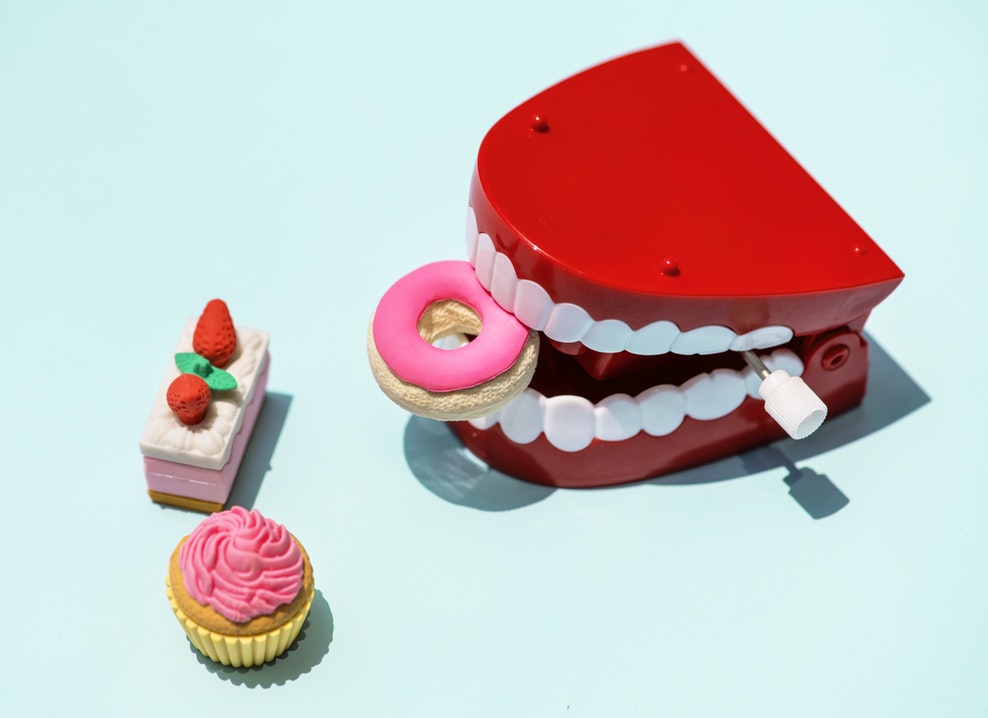
Taking Care of Your Teeth....Yes, You Read That Right
The following may seem like no-brainers, but the reality is most people don’t properly take care of their teeth and gums. It’s one of those things that if we don’t do it now, we’ll regret it when we’re older. Wise up! Brush twice a day. Floss. And read on…. Tooth Decay (Cavities) Teeth are meant to last a lifetime. By taking good care of your teeth and gums, you can protect them for years to come. Tooth decay is not just a problem for children. It can happen as long as you have natural teeth in your mouth. Tooth decay ruins the enamel that covers and protects your teeth. When you don’t take good care of your mouth, bacteria can cling to your teeth and form a sticky, colorless film called dental plaque. This plaque can lead to tooth decay and cavities. Gum disease can also cause your teeth to decay. Fluoride is just as helpful for adults as it is for children. Using a fluoride toothpaste and mouth rinse can help protect your teeth. If you have a problem with cavities, your dentist or dental hygienist may give you a fluoride treatment during the office visit. The dentist also may prescribe a fluoride gel or mouth rinse for you to use at home. Gum Diseases Gum diseases (sometimes called periodontal or gingival diseases) are infections that harm the gum and bone that hold teeth in place. When plaque stays on your teeth too long, it forms a hard, harmful covering, called tartar, that brushing doesn’t clean. The longer the plaque and tartar stay on your teeth, the more damage they cause. Your gum may become red, swollen, and bleed easily. This is called gingivitis. If gingivitis is not treated, over time it can make your gums pull away from your teeth and form pockets that can get infected. This is called periodontitis. If not treated, this infection can ruin the bones, gums, and tissue that support your teeth. In time, it can cause loose teeth that your dentist may have to remove. Here’s how you can prevent gum disease: Brush your teeth twice a day (with a fluoride toothpaste). Floss once a day. Make regular visits to your dentist for a checkup and cleaning. Eat a well-balanced diet. Don’t use tobacco products. Cleaning Your Teeth and Gums Knowing how to brush and floss the right way is a big part of good oral health. Here’s how: every day gently brush your teeth on all sides with a soft-bristle brush and fluoride toothpaste. Small round motions and short back-and-forth strokes work best. Take the time to brush carefully and gently along the gum line. Lightly brushing your tongue also helps. Along with brushing, clean around your teeth with dental floss to keep your gums healthy. Careful flossing will remove plaque and leftover food that a toothbrush can’t reach. Rinse after you floss. If brushing or flossing causes your gums to bleed or hurt your mouth, see your dentist. Your dentist also may prescribe a bacteria-fighting mouth rinse to help control plaque and swollen gums. Use the mouth rinse in addition to careful daily brushing and flossing. Some people with arthritis or other conditions that limit motion may find it hard to hold a toothbrush. It may help to attach the toothbrush handle to your hand with a wide elastic band. Some people make the handle bigger by taping it to a sponge or Styrofoam ball. People with limited shoulder movement may find brushing easier if they attach a long piece of wood or plastic to the handle. Electric toothbrushes can be helpful. Dentures Dentures (sometimes called false teeth) may feel strange at first. When you are learning to eat with them, it may be easier if you: Start with soft non-sticky food; Cut your food into small pieces; and Chew slowly using both sides of your mouth. Dentures may make your mouth less sensitive to hot foods and liquids. They also may make it harder for you to notice harmful objects such as bones, so be careful. During the first few weeks you have dentures, your dentist may want to see you often to make sure they fit. Over time, your mouth changes and your dentures may need to be replaced or adjusted. Be sure to let your dentist handle these adjustments. Keep your dentures clean and free from food that can cause stains, bad breath, or swollen gums. Once a day, brush all surfaces with a denture care product. When you go to sleep, take your dentures out of your mouth and put them in water or a denture cleansing liquid. Take care of partial dentures the same way. Because bacteria can collect under the clasps (clips) that hold partial dentures, be sure to carefully clean that area. Dental Implants Dental implants are small metal pieces placed in the jaw to hold false teeth or partial dentures in place. They are not for everyone. You need a complete dental and medical checkup to find out if implants are right for you. Your gums must be healthy and your jawbone able to support the implants. Talk to your dentist to find out if you should think about dental implants. Dry Mouth Doctors used to think that dry mouth (xerostomia) was a normal part of aging. They now know that’s not true. Older, healthy adults shouldn’t have a problem with saliva. Dry mouth happens when salivary glands don’t work properly. This can make it hard to eat, swallow, taste, and even speak. Dry mouth also can Alzheimer’s Diseased to the risk of tooth decay and infection. You can get dry mouth from many diseases or medical treatments, such as head and neck radiation therapy. Many common medicines also can cause dry mouth. If you think you have dry mouth, talk with your dentist or doctor to find out why. If your dry mouth is caused by a medicine you take, your doctor might change your medicine or dosage. To prevent the dryness, drink extra water. Cut back on sugary snacks, drinks that have caffeine or alcohol, and tobacco. Your dentist or doctor also might suggest that you keep your mouth wet by using artificial saliva, which you can get from most drug stores. Some people benefit from sucking hard candy. Oral Cancer Oral cancer most often occurs in people over age 40. It’s important to catch oral cancer early, because treatment works best before the disease has spread. Pain often is not an early symptom of the disease. A dental check-up is a good time for your dentist to look for early signs of oral cancer. Even if you have lost all your natural teeth, you should still see your dentist for regular oral cancer exams. See your dentist or doctor if you have trouble with swelling, numbness, sores, or lumps in your mouth, or if it becomes hard for you to chew, swallow, or move your jaw or tongue. These problems could be signs of oral cancer. Here’s how you can lower your risk of getting oral cancer: don’t smoke; don’t use snuff or chew tobacco; if you drink alcohol, do so in moderation; use lip cream with sunscreen; and eat lots of fruits and vegetables.
Read more

8 Things Successful People Do on Their Lunch
Do you consider yourself a successful person? We believe everyone possesses the ability to be successful. Reaching the heights of success can take time, though, it’s not always a hurdle jump away. Fortunately, you can shorten this journey through one simple step: making the best use of your lunch hour. If you’re like most people, you have five hours per week that you can use to reach your goals faster. Read on to discover how to make the best use of those five hours: 1. Leave the office This gives you a break from distractions and an opportunity to refresh yourself. If you simply sit at your desk for lunch every day, you can expect managers and coworkers to ask you to do more work. By escaping the throws of office duties, you’re regenerating your brain, getting your blood flowing and allowing your focus to rest on things simpler and less stressful. So leave, scat, make like a bread truck. Just don’t forget to go back. What about those times when you simply have to stay at the office? There are ways to work around that requirement as well (see the next tip). 2. Do a weekly review Maintaining control and perspective over your life doesn’t have to be hard. That’s why successful people have mastered review habits. For example, you can review the past week’s sent emails during lunch to determine what follow up actions are needed. Alternately, you can review your calendar of appointments for the rest of the week. This can be applied to your personal schedule as well. Heck, it is lunch after all isn’t it? These practices put you back in command of both your work and personal time and keep your life on track. Tip: To get started with the weekly review, read Why You Need A Weekly Review To Become More Productive . 3. Get exercise Successful people know that exercise is vital to maintaining mental focus and health. Successful people get exercise during lunch in several ways, such as going to a fitness class, going for a walk and even putting in a few quick push-ups. Exercise is also a great way to cope with workplace stress . Some companies, like HBO, even offer yoga classes on site ! Take the time to ask your HR department about the company’s wellness program–you don’t know what’s available until you ask. In accordance with tip #1, getting the blood flowing provides the mental and physical relief your mind & body needs to perform at its peak. 4. Build career assets Assets are resources that grow in value over time. Checklists are a resource that successful people regularly use to avoid mistakes and guarantee high quality (check out Learn How To Build A Checklist In 6 Steps ). The time you invest to build a career asset will save you plenty of time in the future. Here are other career assets easy enough to build over your lunch hour: Standard Operating Procedures : a sequence of steps that explains how to do important parts of your job. These procedures can cover how to produce reports, your personal sales process and other aspects of your work. Career Portfolio : a collection of documents (e.g. performance reviews, copies of emails from happy clients, PowerPoint presentation templates) that prove all of your skills and accomplishments. Professional Contact List : write up a contact list (use a paper notebook or a spreadsheet to start with) of the 100 most important people in your career–include their name, title, company, phone number and email address. If you are laid off suddenly, you will need a copy of that information at home for reference. 5. Build relationships Breaking bread and sharing a meal with another person is one of the best ways to build a relationship. Successful people know that meeting somebody once at an event is just the start of building a relationship. The next step is to spend more time with that person. Lunch is a great way to develop a relationship because people tend to open up about their lives and go beyond business concerns. By delving into personal (but not too personal) information, you and your new contact feel comfortable with one another and trust each other enough to do business together. And remember, first impressions, body language and vocabulary are key! To learn more about networking and career advancement, read 9 Bulletproof Ways To Get Ahead in Your Career . 6. Eat for health, not entertainment What you eat for lunch has a significant impact on your results. That’s why successful people tend to avoid pasta and other carb-heavy meals at lunch, they make you lethargic and groggy. To improve your energy and keep moving, eat almonds, walnuts and other proteins. Foods high in protein fuel the brain. Relying on sugar to get you through the day is simply not effective—you’ll crash and burn by 2:30. In addition, consider avoiding foods with strong smells or sauces during the work week; spilling food on yourself during the work day is frustrating! Keep your eating for “entertainment”–desserts and the like–to the evenings and weekends. 7. Run personal errands Successful people understand the importance of staying focused at work. That’s why they avoid making personal phone calls during business hours as much as possible. However, we all know that life is full of pressures. For example, you may need to pick up prescriptions. One way to improve your productivity is to use a pharmacy nearby your office, so you can go there during your lunch break. To take this principle a step further, adapt Mike Hardy’s time chunking approach. You could designate the Friday lunch hour for personal errands and reserve Monday lunch hours for professional growth. Either way, incorporating a small portion of your personal life into your work day relieves some of the pressure in your home life, and it’s well worth it, however small. Tip: Learn how to cut down on the time needed to perform chores by reading Hate Chores? Make Them Less Painful with These Tips . 8. Take a nap Successful people understand the value of being well-rested. Entrepreneur Michael Hyatt has explained 5 reasons you should take a nap every day . Putting in a 20-30 minute nap does a great deal to increase your productivity and mental clarity. Specifically, napping has been shown to improve heart health and improve efficiency. Not sure where to take a nap? Look around if your company has a wellness room or a quiet room. Such rooms may serve as a useful nap location! As an alternative, look for a quiet office or a meeting room (though you run the risk of being “caught” napping). Tip: Learn How To Design The Perfect Nap , if you’re just getting started with the napping habit.
Read more

Moving Tips
So many find moving to be stressful, but in our community we couldn’t be more excited to welcome new residents! Whether you’re a first-time renter or veteran, utilize the tips below to help make your move less stressful: 1. Use Your Friends If you have friends or family that live close by, enlist their help. This will save on the cost of movers since most relatives and friends accept food or drinks as compensation. In addition, these are the folks you can trust with your irreplaceable items. 2. Hire Movers If you don’t have friends or family close by, hiring movers might be the way to go. Although this will require monetary compensation, most movers come insured. Be sure to read the fine print on a moving contract to understand their hours, pay and, most importantly, if they offer everything that you will need. 3. Get Organized From grouping items together in boxes to having a labeling system, being organized during a move can cut stress down more than you think. At least group everything that you’ll need within the first day or two of moving into the same box so it is all easily accessible and you won’t have to dig for individual items in multiple boxes. 4. Pack Smart Packing up, unpacking and everything in between can be the main source of stress for many people. If you’re packing breakables, make sure that they are packed with packing paper or bubble wrap to ensure nothing gets broken. You could also consider packing your fragile items with clothing so it takes care of two things at once. Another helpful tip is to pack small amounts over the course of a week or two, instead of trying to pack up your entire life the night before a move. Although moving can be a daunting task, taking your time and making sure you’re organized in every way possible can make it better. Moving should be an exciting time, not one to worry about. What are some other tips you have that have helped make your move easier? Share your ideas so others can take advantage!
Read more

Apartment Touring Checklist
Apartment hunting can be a fun and exciting experience, especially if it's your first one. But there's so much to look for and so many questions to ask when touring different communities that it can be difficult to keep track of it all. Lucky for you, we've put together a checklist of what to do before and during your tour at each place. Bring a notepad with you, or enter all of the information into your phone or tablet--you'll be glad you did. And you're already off to a good start if you're reading this; it means you've looked into one of the best apartment communities in Baltimore! Bring a camera and flashlight or use them on your smart phone. Take photos to remind yourself about the place and for documentation. These will be great to keep on hand before signing a least too. If possible, visit the building and spend time in the neighborhood both day and night. It might be much noisier at night than during the workday, and you’ll want to be sure you feel safe and comfortable with the area. Ask if the building is submetered, meaning the individual tenants receive bills from each utility (electricity, natural gas, water). Read reviews of the community online. Look for reviewers who provide pros and cons, not just a rant. Walk through the actual unit you’ll be renting, not just a model, especially if the building is not brand new. Last, but certainly not least, ask to see the lease. Then don’t just look at it, read it — even the fine print. If there’s something you don’t like or understand, talk about it with the property manager.
Read more

How to Keep Cats off Your Counter Tops
While it may seem harmless and even endearing to true cat lovers, cats on your counter top is actually kind of gross. Think of the other surfaces those tiny paws have touched--i.e. the liter box--right before pouncing their way to your dinner plate. Appetite: lost. But fear not, there are ways to keep kitty off your counters and unwanted particles off your food. Let's start out with an excellent quote from the ASPCA: Rather than spraying your cat with water when they jump on a forbidden counter, "arrange for the environment to punish your cat directly." "Balance some lightweight cookie sheets on the edge of the counter. When your cat jumps up, she'll land on the sheets. They'll move and possibly topple over, making some unpleasant noise while she leaps back onto the floor." If you don't want your cats on your cookie sheets and your cookie sheets on the floor (or if you only own one cookie sheet), Huffington Post recommends using cheap, recyclable aluminum foil. The Humane Society advises making your counters unpleasantly sticky, either DIY-style using double-sided tape, or using readymade products. This Old House notes that cats hate the feel of sandpaper underfoot, so you could lay it on your counters when you're not cooking. If your counters are your cat's idea of a little piece of heaven, Petfinder recommends simple ways to make them less enjoyable, like pulling down the blinds to block the basking sun — and the view of the bird feeder. According to The Nest's Pet column, a peppermint solution can be sprayed on countertops to deter cats — and to make your kitchen minty fresh. WikiHow has similar advice involving black pepper, lemon, eucalyptus, cinnamon, rosemary, and lavender — delicious. One of my favorite solutions comes from Pawnation: "Some experts recommend clicker training. This method involves training your cat to jump off the counter on a cue word, like 'off'. When the cat follows your cue, click the clicker, then reward your cat with a treat." Positive reinforcement! ...Don't forget to clean the counters after your feline flees the scene... If your cats do occasionally traipse around your countertops, VetStreet wants you to protect your health —and the health of your guests — by cleaning the surfaces thoroughly before preparing food. Hot water, soap, and an antibacterial agent should do the trick
Read more